
The Resilience Paradox
Harvard Medical School — Epel et al., 2004 · Apr 11, 10:38 AM
“We should be stress-proof, yet we're not.”
I've always thought resilience was simply about bouncing back—an elastic quality that some people just have. But when li…
The Insight
True resilience is the wisdom to know when to rest, not just the strength to persevere.
The Body Remembers
Karolinska Institutet — Bergquist et al., 2021 · Apr 11, 1:13 AM
“Your skin whispers the secrets of forgotten days.”
It's remarkable how a single touch can unravel memories you thought were long buried. A familiar texture or a gentle bre…
The Insight
Memory is a tapestry woven not just by the mind, but by the entire body, resonating silently through every fiber of our being.
Surprising Facts About Numbers and Statistics
Fact · 7 facts — swipe through each one · Apr 10, 10:37 AM
A 'jiffy' is an actual unit of time in physics, defined as the time it takes light to travel one centimeter in a vacuum, approximately 33.3564 picoseconds.
The number zero was first used in India in the 5th century and is a key element in modern mathematics, enabling calculations and the concept of infinity.
There are more possible iterations of a game of chess than there are atoms in the known universe, with estimates putting the number at around 10^120.
In a group of just 23 people, there is a 50% chance that two people share the same birthday, according to the Birthday Paradox.
The Fibonacci sequence is closely related to the golden ratio, and both can be observed in natural patterns such as the arrangement of leaves on a stem.
An octillion, equal to 1 followed by 27 zeros, is a number so large that it's difficult to represent in physical terms, yet it's used in scientific calculations.
Pi (π) is an irrational number, meaning it cannot be expressed as a simple fraction, and its decimal representation never repeats or ends.
Surprising Health and Medicine Breakthroughs
Fact · 9 facts — swipe through each one · Apr 10, 7:44 AM
Scientists have developed a vaccine that can help train the immune system to fight against certain types of cancer.
Researchers have successfully used CRISPR gene-editing technology to treat beta-thalassemia, a hereditary blood disorder.
Probiotics are being explored as a potential treatment for depression, linking gut health directly to mental well-being.
Virtual reality is being used in hospitals to help patients manage pain and anxiety without the need for medication.
Scientists have discovered a way to 3D-print living tissue, which could eventually lead to the creation of transplantable organs.
New technology allows for remote monitoring of vital signs through smart clothing, enabling doctors to track patients' health in real-time.
A groundbreaking study has shown that intermittent fasting can improve cognitive function and protect the brain from age-related diseases.
Artificial intelligence is being used to predict outbreaks of infectious diseases by analyzing climate data, travel patterns, and social media activity.
Stem cell therapy is being used to successfully regenerate damaged heart tissue after a heart attack.
Interesting Facts About Phobias and Fears
Fact · 7 facts — swipe through each one · Apr 10, 5:00 AM

Arachibutyrophobia is the fear of peanut butter sticking to the roof of one's mouth.
The fear of long words is paradoxically known as hippopotomonstrosesquippedaliophobia.
Cherophobia is the fear of being happy or experiencing joy.
Nomophobia is the fear of being without a mobile phone or beyond mobile phone contact.
Xanthophobia is the fear of the color yellow or the word 'yellow'.
Phobophobia is the fear of developing a phobia itself.
Octophobia is the fear of the number eight.
Interesting Facts About Plants and Botany
Fact · 9 facts — swipe through each one · Apr 7, 11:56 PM
Bamboo is the fastest-growing plant on Earth, capable of growing up to 35 inches in a single day.
The world's largest seed comes from the Coco de Mer palm, weighing up to 66 pounds.
Some plants, like the Venus flytrap, are carnivorous and can digest small insects for nutrients.
The Amazon Rainforest produces over 20% of the world's oxygen, earning it the nickname 'Lungs of the Earth.'
Bananas are berries, while strawberries are not.
There are more than 300,000 known plant species on Earth, with new ones still being discovered.
The smell of freshly cut grass is actually a plant distress call, releasing chemicals to protect themselves from further damage.
Certain types of bamboo can provide safe drinking water directly from within their hollow stems.
Sunflowers can help clean radioactive soil through a process known as phytoextraction.
Surprising Facts About Time and Calendars
Fact · 8 facts — swipe through each one · Apr 7, 7:22 PM

February 30th actually existed twice in Sweden due to a calendar adjustment in 1712.
A day on Venus is longer than its year, taking 243 Earth days to rotate once on its axis.
The word 'month' comes from 'moonth,' reflecting the Moon's phases.
Leap years are not every four years; century years must be divisible by 400 to be leap years.
The Gregorian calendar, introduced in 1582, skipped 10 days to realign with the seasons.
The ancient Egyptians were the first to create a 365-day calendar.
In the 18th century, Britain adopted the Gregorian calendar by skipping 11 days in September 1752.
The international date line results in Samoa and American Samoa being 24 hours apart but only 50 miles away.
Surprising Fun Facts About Weather and Climate
Fact · 9 facts — swipe through each one · Apr 7, 6:20 AM

Antarctica is the driest place on Earth, with some areas receiving less precipitation than the Sahara Desert.
The coldest temperature ever recorded on Earth was -128.6°F (-89.2°C) in Vostok Station, Antarctica, in 1983.
Raindrops are not tear-shaped; they actually resemble the shape of a small hamburger bun as they fall.
Lightning can occur during a volcanic eruption, a phenomenon known as a 'dirty thunderstorm'.
A single bolt of lightning contains enough energy to toast 100,000 slices of bread.
The highest recorded temperature on Earth was 134°F (56.7°C) in Furnace Creek Ranch, California, in 1913.
In the Arctic and Antarctic, there are times when the sun does not set for up to six months, a phenomenon known as polar day or midnight sun.
Clouds can weigh more than a million pounds, with large thunderstorm clouds holding up to 500,000 tons of water.
The Great Barrier Reef in Australia is so large that it can be seen from outer space.
Surprising Facts About Childhood and Development
Fact · 7 facts — swipe through each one · Apr 7, 6:14 AM
Newborns can recognize their mother's voice within just a few hours of birth.
Children laugh approximately 300 times a day, while adults laugh only about 60 times.
Babies are born with nearly 100 more bones than adults, which fuse together as they grow.
The brain of a two-year-old child is twice as active as that of an adult.
Around age three, children begin to understand the concept of past and future.
By age five, a child's brain is already about 90% of the size of an adult brain.
Babies have a natural grasp reflex that is so strong it can support their weight.
Surprising Facts About Sports and Athleticism
Fact · 7 facts — swipe through each one · Apr 6, 2:32 PM
A marathon's distance of 26.2 miles was standardized in 1908 to allow the race to start at Windsor Castle and finish in front of the royal box at London’s White City Stadium.
The longest tennis match in history lasted 11 hours and 5 minutes, played over three days at Wimbledon in 2010 between John Isner and Nicolas Mahut.
Basketball was invented by James Naismith in 1891 as a way to keep his students physically active indoors during the winter.
Surfing, now a popular sport worldwide, originated in Polynesia over a thousand years ago and was integral to their culture.
Table tennis balls can travel off the paddle at speeds exceeding 60 mph, making it one of the fastest ball sports in the world.
The fastest recorded speed of a soccer ball is 131 mph, achieved by Brazilian soccer player Ronny Heberson in 2006.
Despite its association with Scotland, golf was first played in the Netherlands during the 13th century with a stick and a leather ball.
Interesting Facts About the Senses and Perception
Fact · 8 facts — swipe through each one · Apr 6, 12:08 PM
The human nose can distinguish at least one trillion different odors.
Your brain can process an image your eyes see for as little as 13 milliseconds.
The skin is the body's largest sensory organ, capable of sensing touch, temperature, and pain.
Some people can experience synesthesia, where stimulation of one sense leads to automatic, involuntary experiences in another sense.
Taste buds have a lifespan of about 10 to 14 days before they are replaced.
Dogs have a sense of smell that is 10,000 to 100,000 times more acute than humans.
Humans are capable of hearing sounds as quiet as 0 decibels, which is near total silence.
The human eye can distinguish about 10 million different colors.
Surprising Facts About Music and Sound
Fact · 9 facts — swipe through each one · Apr 6, 2:51 AM

The human ear can detect sounds as quiet as 0 decibels, which is the sound of a mosquito flying 10 feet away.
The song 'Jingle Bells' was originally written for Thanksgiving, not Christmas.
Plants can grow faster when they 'listen' to music, particularly classical music.
The world's oldest known musical instrument is a flute made from bird bone and mammoth ivory, dating back around 40,000 years.
Listening to music can improve physical performance, as it often increases endurance and boosts mood.
The mosquito 'buzz' is technically a love song, as males and females synchronize their wing beats in a harmonic duet.
Your heartbeat synchronizes to the rhythm of the music you listen to.
In space, no one can hear sound, but astronauts have reported hearing mysterious music-like sounds on the far side of the moon.
The brain releases dopamine, a 'feel-good' chemical, when you listen to your favorite songs.
Interesting Facts About Genetics and DNA
Fact · 8 facts — swipe through each one · Apr 6, 12:40 AM
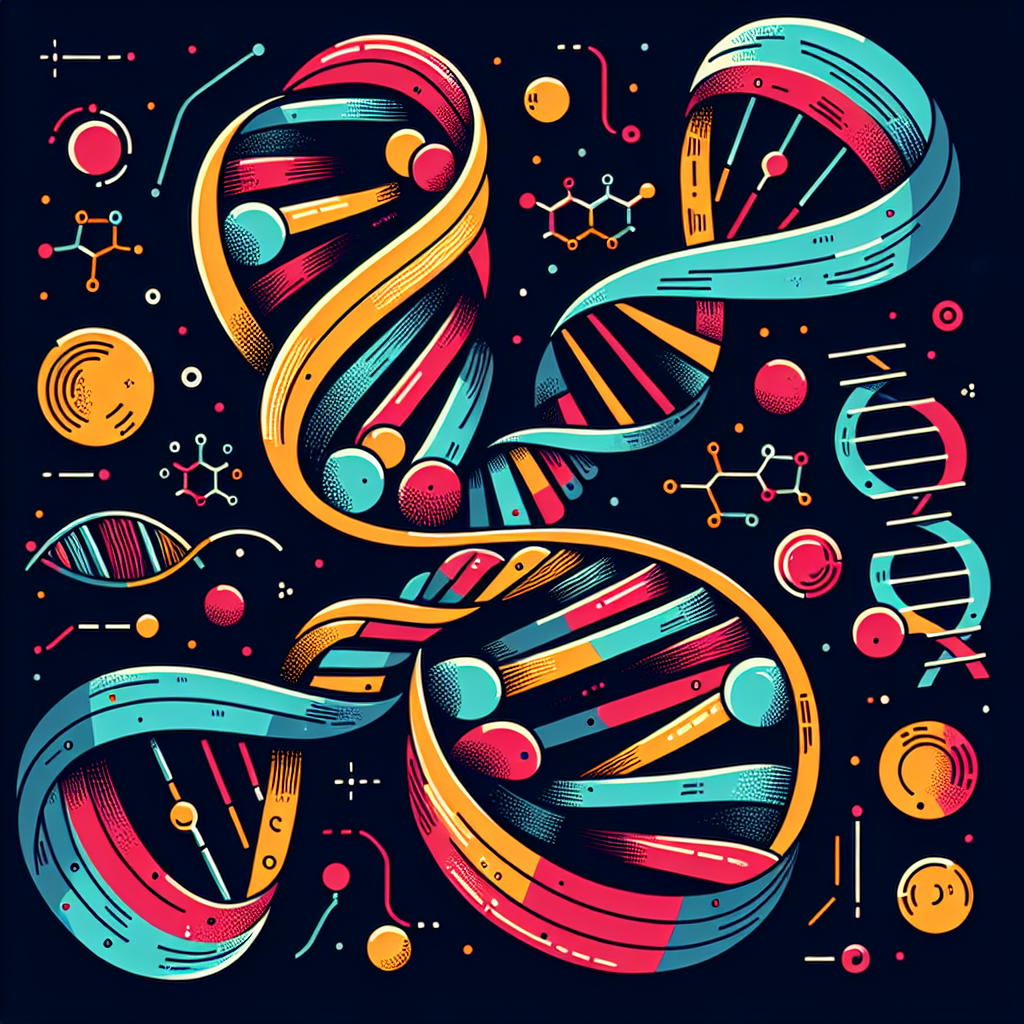
Humans share about 60% of their DNA with bananas.
Genes make up only 1-2% of the human genome, with the rest being non-coding sequences often referred to as 'junk DNA'.
The DNA in a single human cell stretches out to be about 2 meters long if uncoiled, yet it fits into a microscopic nucleus.
Every person has about 3 million genetic variations that make their DNA unique from any other human.
Identical twins share nearly all of their DNA, yet they can have different fingerprints due to environmental factors during development.
The genome of a pufferfish is one of the smallest known vertebrate genomes, yet it contains almost the same number of genes as humans.
Genetic mutations have been one of the driving forces of evolution, helping species adapt over time.
The study of epigenetics reveals that environmental factors, such as diet and stress, can influence gene expression without changing the DNA sequence.
Interesting Facts About the Science of Laughter and Humor
Fact · 8 facts — swipe through each one · Apr 5, 8:27 PM
Laughter can actually boost your immune system by increasing the number of antibody-producing cells.
You are 30 times more likely to laugh if you are with someone else than if you are alone.
Humans are not the only species that can laugh; some primates and even rats show laughter-like vocalizations.
Laughter has been shown to relieve stress by reducing the level of stress hormones in the body.
The study of laughter and its effects on the human body is known as gelotology.
Babies as young as four months old begin to laugh, often before they can even speak.
Laughter can burn around 10-40 calories depending on how long and hard you laugh.
The brain processes humor in a different region than it does for other types of emotional responses.
Interesting Facts About Color and Light
Fact · 9 facts — swipe through each one · Apr 5, 5:08 PM

The human eye can distinguish about 10 million different colors.
Bees can see ultraviolet light, which helps them find nectar in flowers.
White light is a combination of all the colors in the visible spectrum.
Red light has the longest wavelength of all visible colors, which is why it's often used in night vision devices.
The sky appears blue because of Rayleigh scattering, which causes shorter blue wavelengths to scatter more than other colors.
Some animals, like the mantis shrimp, can see polarized light, which is invisible to humans.
A prism can separate white light into its component colors, creating a spectrum similar to a rainbow.
Fireworks get their colors from metal salts, with copper creating blue and strontium producing red.
The famous artist Claude Monet was known to have painted the same scene in different lighting conditions to capture the changing colors.
Surprising Ocean and Marine Life Facts
Fact · 7 facts — swipe through each one · Apr 5, 4:23 PM
The ocean is home to the world's largest waterfall, the Denmark Strait cataract, which flows underwater between Greenland and Iceland.
Octopuses have three hearts and blue blood, which helps them survive in the deep ocean by efficiently transporting oxygen.
A single teaspoon of seawater can contain millions of bacteria and viruses, highlighting the ocean's incredible biodiversity at a microscopic level.
Male seahorses are the ones that get pregnant and give birth, carrying the eggs in a pouch until they hatch.
Some species of jellyfish are immortal, capable of reverting to their juvenile form after reaching adulthood.
The mantis shrimp can punch with the speed of a bullet, generating enough heat to create tiny flashes of light in the water.
The ocean produces more than half of the world's oxygen through the photosynthesis of phytoplankton.
Interesting Facts About Animals and Nature
Fact · 9 facts — swipe through each one · Apr 5, 5:05 AM
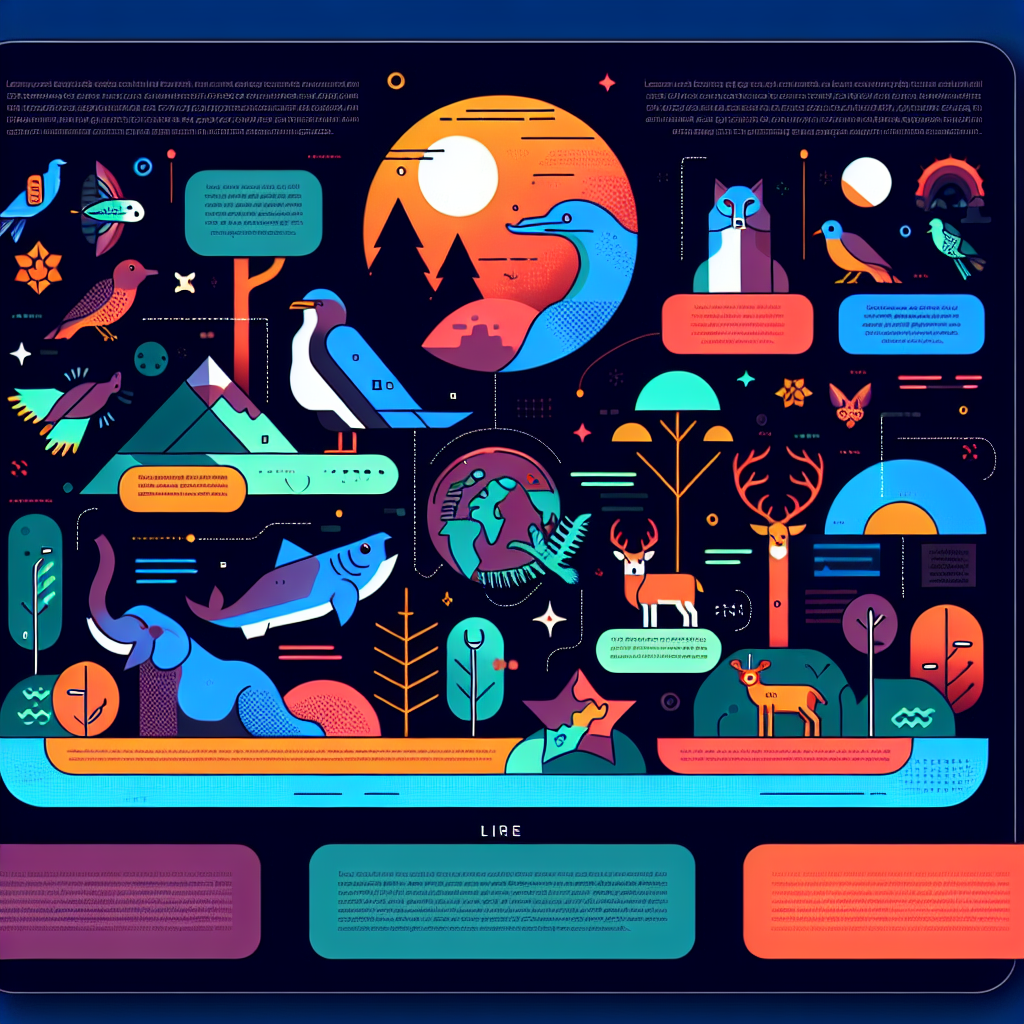
Octopuses have three hearts and blue blood.
Bananas are berries, but strawberries are not.
A group of flamingos is called a 'flamboyance'.
Sloths can take up to a month to digest a single leaf.
Sea otters hold hands while sleeping to avoid drifting apart.
A single strand of spider silk is thinner than a human hair, yet five times stronger than steel of the same diameter.
Horses and cows actually sleep standing up.
Wombat feces are cube-shaped, helping them mark their territory without rolling away.
An adult panda can eat 26 to 84 pounds of bamboo every day.
Interesting Facts About Human Body
Fact · 10 facts — swipe through each one · Apr 5, 1:22 AM
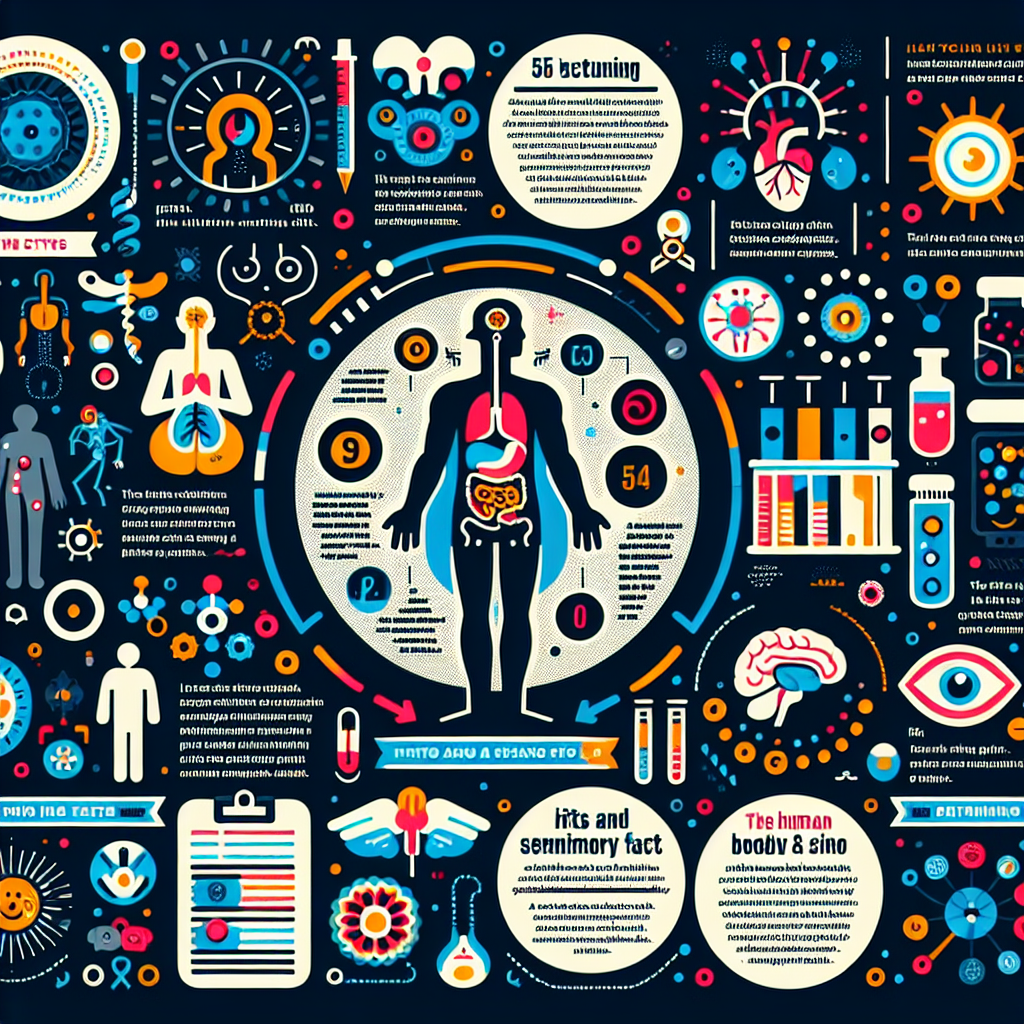
The human nose can detect over 1 trillion different scents.
The human skeleton is replaced every 10 years through a process called bone remodeling.
Your brain uses approximately 20% of your body's total oxygen and calorie intake.
The average human produces enough saliva in a lifetime to fill two swimming pools.
Human bones are about 5 times stronger than steel of the same density.
The smallest bone in the human body is the stapes, located in the middle ear, and is only about 0.1 inches long.
About 8% of your body weight is made up of blood.
The human stomach lining is replaced every 3 to 4 days to prevent it from digesting itself.
Humans share 50% of their DNA with bananas.
The human body contains enough fat to make seven bars of soap.
Interesting Facts About Mathematics and Patterns
Fact · 10 facts — swipe through each one · Apr 4, 6:28 PM
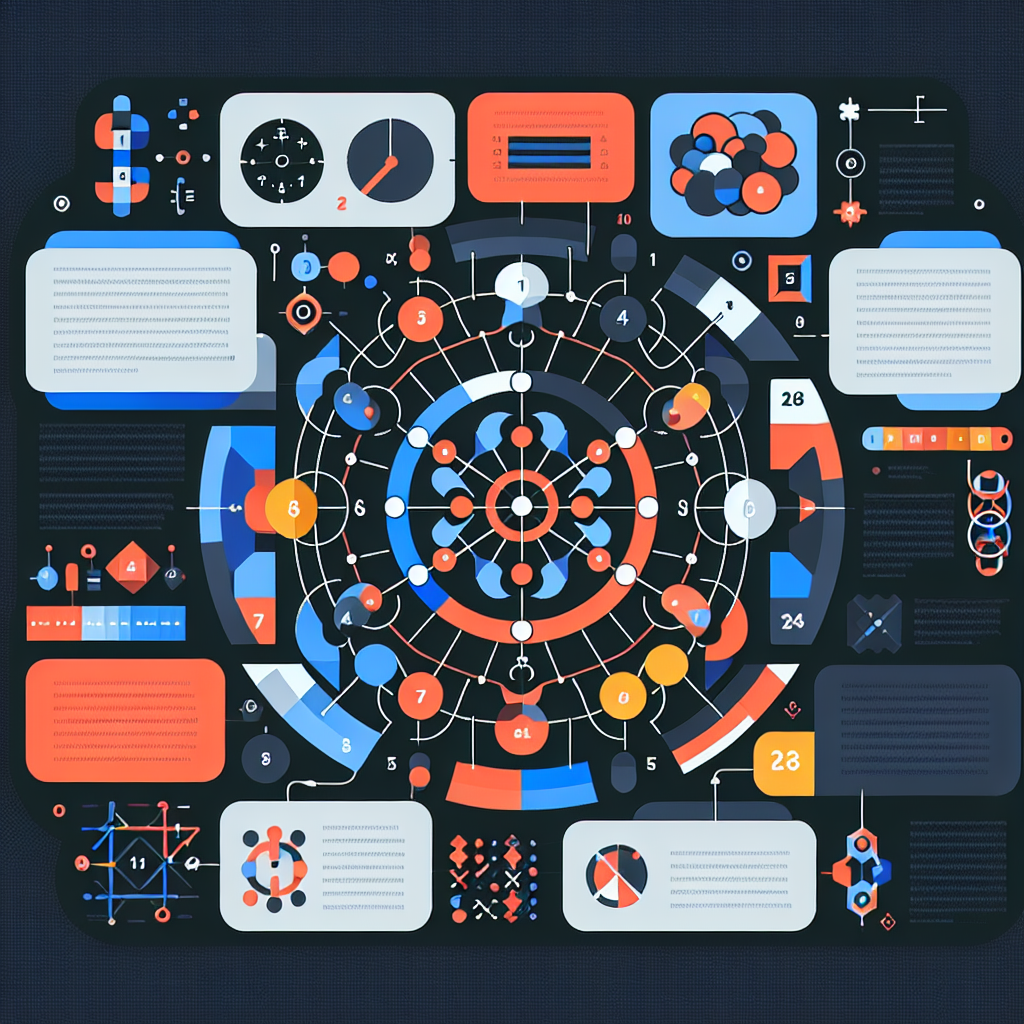
The Fibonacci sequence appears in many biological settings, such as the arrangement of leaves on a stem, the branching of trees, and the fruitlets of a pineapple.
A magic square is a grid of numbers where every row, column, and diagonal add up to the same total, and the oldest known example dates back to ancient China.
The number pi (π) is not only irrational but also transcendental, meaning it cannot be the root of any non-zero polynomial equation with rational coefficients.
In a group of just 23 people, there's a more than 50% chance that two people share the same birthday due to the birthday paradox.
Benford's Law states that in many naturally occurring collections of numbers, the leading digit is likely to be small, with the digit 1 appearing about 30% of the time.
Pascal's Triangle is not only a tool for expanding binomials but also displays patterns related to the Fibonacci sequence, prime numbers, and more.
The Mandelbrot Set, a famous fractal, is infinitely complex, and its boundary reveals self-similar patterns no matter how deeply you zoom in.
The sum of the numbers from 1 to 100 can be quickly calculated using the formula n(n + 1)/2, giving a total of 5050.
A circle can be divided into a maximum of 31 regions with only six straight line cuts.
The golden ratio, approximately 1.618, is believed to be aesthetically pleasing and appears in art, architecture, and nature, from the Parthenon to the growth patterns of shells.
Interesting Facts About Psychology and Behavior
Fact · 10 facts — swipe through each one · Apr 4, 3:22 PM

The human brain can process an image seen for just 13 milliseconds.
People are more likely to remember the first and last items in a sequence, a phenomenon known as the serial position effect.
Smiling, even when you are not happy, can trick your brain into feeling happier because of the release of endorphins.
Studies show that people who regularly practice gratitude have fewer physical ailments and sleep better.
The mere exposure effect suggests that people tend to develop a preference for things merely because they are familiar with them.
On average, people spend about 30% of their time daydreaming, which can enhance creativity and problem-solving.
The placebo effect demonstrates that if you believe a treatment will work, your brain can convince your body of its effectiveness.
Phantom vibration syndrome is a psychological phenomenon where people feel their phone vibrating even when it is not.
Research indicates that having plants in a workspace can reduce stress and increase productivity.
Color psychology suggests that the color blue can increase creativity and problem-solving ability.
Interesting Facts About Space and Astronomy
Fact · 10 facts — swipe through each one · Apr 4, 12:32 PM
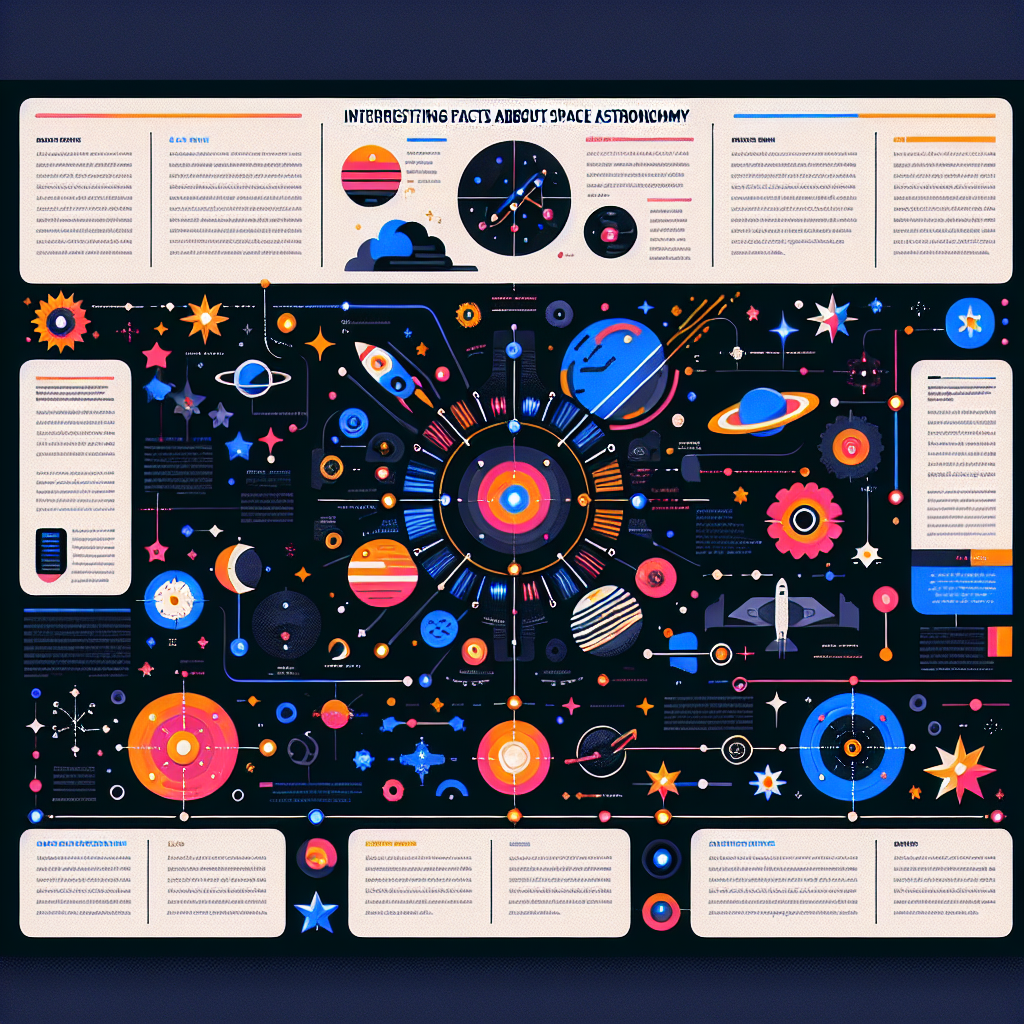
There are more trees on Earth than stars in the Milky Way galaxy, with about 3 trillion trees compared to an estimated 100-400 billion stars.
Venus is the hottest planet in our solar system, with surface temperatures reaching up to 900 degrees Fahrenheit (475 degrees Celsius), even hotter than Mercury.
A day on Venus is longer than a year on Venus because it takes 243 Earth days to rotate once on its axis and only 225 Earth days to orbit the Sun.
Neutron stars are so dense that a sugar-cube-sized amount of their material would weigh about 6 billion tons on Earth.
The largest volcano in the solar system is Olympus Mons on Mars, which is about 13.6 miles (22 kilometers) high, nearly three times the height of Mount Everest.
Jupiter's Great Red Spot is a giant storm that has been raging for at least 350 years and is large enough to fit two or three Earths inside it.
A day on Mercury, from one sunrise to the next, lasts about 176 Earth days due to its slow rotation and fast orbit around the Sun.
Saturn's rings are made mostly of ice particles, ranging from tiny grains to pieces as large as houses.
The Sun accounts for about 99.86% of the total mass of our solar system, with its gravitational pull holding the planets in orbit around it.
In 2019, scientists captured the first-ever image of a black hole, located in the galaxy M87, about 55 million light-years from Earth.
Interesting Facts About Food and Cooking Science
Fact · 9 facts — swipe through each one · Apr 4, 9:29 AM
Honey is the only food that never spoils, making it edible even after thousands of years.
The sense of taste is about 80% dependent on your sense of smell, which is why food tastes bland when you have a cold.
Microwaves heat food by causing water molecules in the food to vibrate, creating heat through friction.
Pineapples contain an enzyme called bromelain which breaks down proteins, making it an effective meat tenderizer.
Carrots were originally purple, not orange, and the orange variety was developed by Dutch growers in the 17th century.
Most wasabi served is actually a mixture of horseradish, mustard, and food coloring, as real wasabi is expensive and difficult to cultivate.
The Maillard reaction, responsible for the browning of food, is a chemical reaction between amino acids and reducing sugars.
Adding salt to water increases its boiling point, but the effect is so small that it doesn't significantly speed up cooking.
The ghost pepper is so hot that it can be used to make non-lethal grenades to immobilize people due to its intense heat.
Interesting Facts About Animals and Nature
Fact · 10 facts — swipe through each one · Apr 4, 4:45 AM
A group of flamingos is called a 'flamboyance'.
Octopuses have three hearts, and their blood is blue due to a copper-rich protein called hemocyanin.
Bananas are berries, but strawberries are not.
Honey never spoils and archaeologists have found pots of honey in ancient Egyptian tombs that are over 3,000 years old and still edible.
Wombat poop is cube-shaped, which prevents it from rolling away and helps them mark their territory.
Sloths can hold their breath underwater for up to 40 minutes by slowing their heart rate.
Unlike most fish, the male seahorse is the one that becomes pregnant and gives birth.
The fingerprints of a koala are so similar to humans that they have been confused at crime scenes.
The Amazon rainforest produces about 20% of the Earth's oxygen.
Some turtles can breathe through their rear ends, a process known as cloacal respiration.
Interesting Facts About the Human Body
Fact · 9 facts — swipe through each one · Apr 3, 10:17 PM
Your nose can remember 50,000 different scents.
The human body contains enough fat to make seven bars of soap.
Human bones are around five times stronger than steel of the same density.
The average person has about 67 different species of bacteria in their belly button.
Each fingertip of yours has about 2,500 touch receptors, making them highly sensitive.
Humans shed about 600,000 particles of skin every hour.
The small intestine is about 22-25 feet long, making it the longest organ in the body.
Your heartbeat syncs with the rhythm of the music you listen to.
The human brain can generate about 23 watts of power, enough to power a small light bulb.
Interesting Facts About Mathematics and Patterns
Fact · 10 facts — swipe through each one · Apr 3, 10:17 PM

The number zero was independently invented in multiple cultures, including by the Mayans and the ancient Indians.
Pi, the ratio of a circle's circumference to its diameter, has been calculated to over 31 trillion digits without repeating.
In mathematics, a palindrome is a number that reads the same forwards and backwards, such as 12321.
The Fibonacci sequence is closely related to the golden ratio, with the ratio of successive Fibonacci numbers approaching the golden ratio as they increase.
Euler's identity, often cited as a beautiful equation, is e^(iπ) + 1 = 0, linking five fundamental mathematical constants.
A magic square is a grid of numbers where the sums of numbers in each row, column, and diagonal are equal, and some have been found dating back thousands of years.
The game of chess has an estimated 10^120 possible moves, more than the number of atoms in the visible universe.
Every odd perfect number, if it exists, is greater than 10^1500, and its existence remains unproven.
The largest known prime number, as of 2021, has over 24 million digits and was discovered using distributed computing.
Fractals are infinitely complex patterns that are self-similar across different scales, often found in nature in forms like snowflakes and coastlines.