
The Sleep-Cognition Disconnect
University of California, Berkeley — Walker et al. (2017) · Jun 25, 5:19 AM
“We’re wide awake about sleep but still snoozing on its power.”
I’ve always known that sleep is crucial for my well-being, yet I often find myself scrolling through my phone late into…
The Insight
The greatest challenge in life is not acquiring knowledge but transforming it into action.
The Sleep Myth Debunked
Sleep Research Society — Åkerstedt et al. (2019) · Jun 24, 7:14 PM
“More sleep isn’t always better for your brain.”
For years, I believed that more sleep was an easy solution to feeling foggy and forgetful. I’ve told myself that a weeke…
The Insight
Human truth lies in the balance, not in extremes.
Sleep's Silent Symphony
National Institutes of Health — Lucey et al., 2018 · Jun 24, 9:16 AM
“We are the conductors of our own cognitive chaos.”
I once thought of sleep as just a necessary pause button, something that interrupted my productivity rather than fueled…
The Insight
Sleep, like a skilled conductor, orchestrates the harmony of our cognitive functions, turning chaos into clarity.
The Brain's Secret Workout
University of Oxford — Johansen-Berg et al., 2012 · Jun 23, 11:35 AM
“We claim to value growth, yet we cling to comfort.”
I often find myself stuck in routines that feel safe and predictable, convinced that I'm optimizing my daily life. Yet,…
The Insight
True growth demands embracing discomfort, for that's where our brains truly flourish.
The Silent Sculptor of Behavior
Yale University — John Dovidio (2006) · Jun 22, 10:10 PM
“Fear whispers where logic would roar.”
I remember walking home one late night, the street lights flickering ominously, casting shadows that danced in corners o…
The Insight
Our environments quietly sculpt our fears, molding perceptions of risk in the absence of real threats.
Trust Your Gut Reactions
University of Zurich — Baumgartner et al. (2008) · Jun 21, 9:21 PM
“Our bodies often know who to trust before our minds do.”
I remember meeting someone new a few years back; everything about them seemed right on paper, yet something inside me fe…
The Insight
The quiet signals from our body often guide us more accurately in matters of trust than our conscious reasoning.
The Echo Effect in Conversations
Harvard University — Goldstein et al. (2018) · Jun 21, 3:34 PM
“The most powerful words you hear are the ones you just said.”
I've always been fascinated by how saying something out loud can make it feel more real. It's as if the spoken word carr…
The Insight
What we vocalize becomes part of our reality, transforming thoughts into beliefs with every spoken word.
What Avoidance Says About Us
Stanford University — Dweck et al. (2018) · Jun 21, 6:41 AM
“Avoidance is the mind's clever trick to dodge growth.”
I often think about why I shy away from certain tasks, especially those where the outcome is uncertain. There’s somethin…
The Insight
Avoidance reveals our hidden fears of inadequacy and our resistance to the transformative power of learning.
The Body's Silent Shout
Stanford University — Csikszentmihalyi et al. (2020) · Jun 21, 2:27 AM
“Creativity blooms in ignored whispers of the body.”
I remember the first time I truly got lost in a creative project. It was like my fingers knew exactly where to go, danci…
The Insight
Our bodies quietly echo the depth of our creative flow, yet we seldom listen.
The Paradox of Loneliness
University of California, Berkeley — Holt-Lunstad et al. (2010) · Jun 18, 10:44 PM
“We crave connection but flee from it.”
Every time I walk into a crowded room, there's a split-second decision I make: mingle or retreat. Despite knowing the he…
The Insight
In a world more connected than ever, genuine connection remains an elusive art form, often resisted by our own contradictory habits.
Rethinking Habit Wisdom
Duke University — Neal et al. (2011) · Jun 17, 11:13 AM
“What if everything you know about habits is wrong?”
For years, I believed that habits were solely about motivation and willpower. I thought if I just wanted something bad e…
The Insight
Our habits are less a testament to our willpower and more a reflection of the environments we inhabit.
Memories: Stories We Tell Ourselves
Northwestern University — Donna J. Bridge (2013) · Jun 17, 7:20 AM
“Our memories are not as trustworthy as we think.”
I've always thought of my memories as mental snapshots, reliable and immutable. But sometimes, when old friends reminisc…
The Insight
Our memories are less about preserving facts and more about weaving the stories we need to believe about ourselves.
The Hidden Power of Place
University of British Columbia — R. Hunter & E. Enns (2021) · Jun 16, 8:50 PM
“Our environment whispers to our minds even when we aren't listening.”
Walking into my childhood home always feels like slipping into an old, warm sweater. It hugs me with nostalgia, and inst…
The Insight
Our environments wield a quiet power over our memories and perceptions, shaping our behaviors in ways we might never consciously realize.
The Fear Loop
University of Exeter — W. Miles Cox et al. (2020) · Jun 16, 2:10 AM
“We walk in circles of fear without even noticing.”
I’ve often found myself stuck, repeating the same anxious behaviors, like compulsively checking the stove before leaving…
The Insight
Our unconscious patterns of fear often create self-reinforcing loops that dictate our behavior more than we realize.
When Flow Meets Daily Life
McKinsey & Company — Grant et al. (2013) · Jun 15, 8:29 AM
“Creativity blooms when time seems to vanish.”
There’s something magical about those moments when I lose track of time, fully immersed in a task. Whether it’s writing,…
The Insight
The secret to unlocking creativity lies in our ability to carve out space for uninterrupted flow amid the noise of daily life.
The Invisible Hand of Habit
Cornell University — Wansink et al., 2006 · Jun 14, 11:46 PM
“Our surroundings are secret puppeteers of our habits.”
I have always considered myself a creature of choice, free to make decisions based on my own volition. Yet, as I think a…
The Insight
Our environments are powerful architects of our behaviors, often shaping our actions as much as our conscious decisions do.
The Mirage of Motivation
Stanford University — Alia Crum (2018) · Jun 14, 5:48 PM
“We are strangers to our own desires.”
I’ve often found myself wondering why my motivation seems to evaporate when I need it most. Just when a project demands…
The Insight
Our beliefs about our own motivations can shape the reality of our actions and their outcomes.
The Invisible Architects of Emotion
University of California, Berkeley — Lick et al. (2015) · Jun 14, 3:25 PM
“Our surroundings are emotional puppeteers.”
I’ve always thought of myself as an empathetic person, but it was only when I moved to a city bustling with faces from a…
The Insight
We are subtly guided by the invisible strings of our environment, shaping our emotional landscapes in unexpected ways.
The Sleep-Cognition Irony
University of California, Berkeley — Walker et al., 2007 · Jun 13, 11:00 AM
“You can sleep, but will you think?”
There’s something unsettling about the realization that sleep isn't just a passive activity but a powerful agent in how…
The Insight
In our quest for more time awake, we paradoxically sacrifice the cognitive sharpness we seek to wield during those extra hours.
Why Sleep Fools Our Motivation
University of California, Berkeley — Walker et al. (2018) · Jun 10, 11:06 AM
“We have a knack for misjudging our own motives.”
There was a time when I thought I was driven by pure passion, the kind that keeps you up all night working on a project.…
The Insight
We often mistake exhaustion for motivation, misinterpreting our own needs in the haze of sleep deprivation.
Sleep's Silent Mental Saboteur
University of California, Berkeley — Walker et al., 2007 · Jun 9, 6:37 PM
“Our bodies scream for rest, but we choose not to listen.”
There have been nights when I stayed up late, eyes glued to a screen, chasing productivity that seemed to sprint further…
The Insight
We often ignore the body's whispers of fatigue, not realizing that true clarity and creativity spring from rest, not relentless pursuit.
When Our Bodies Whisper
Royal Society — Dunn et al., 2020 · Jun 9, 10:22 AM
“Our bodies speak in whispers we often ignore.”
I often find myself caught in the whirlwind of daily life, oblivious to the countless signals my body sends. It's like m…
The Insight
Our bodies hold a mirror to our inner selves, reflecting truths we may not always see.
The Body's Silent Social Response
University of Chicago — Sapolsky et al., 1997 · Jun 8, 7:39 PM
“Your body knows your place in the world before you do.”
I remember standing in a meeting room, heart pounding, as my manager discussed upcoming projects. The room was filled wi…
The Insight
Our bodies respond to social hierarchies with ancient instincts, revealing truths we may not consciously recognize.
Invisible Threads of Environment
University of California, Irvine — Lillard et al., 2011 · Jun 7, 1:02 PM
“The walls around us whisper more than we think.”
I remember growing up in a bustling city apartment, where the constant noise seemed like the pulse of life itself. We ad…
The Insight
The quiet influence of our environment shapes our inner resilience, often before we even notice.
The Unseen Hand in Happiness
University of California — Brickman et al. (1978) · Jun 5, 7:19 PM
“Your environment is shaping your joy, silently and relentlessly.”
I've always thought that my happiness was a personal quest I had to embark on, armed only with my resolve and desires. B…
The Insight
Happiness is not merely an internal journey; it is a dance with the environment, unseen yet deeply influential.
Intriguing Coincidences and Luck Facts
Fact · 7 facts — swipe through each one · Jun 5, 1:57 AM

In 1974, a man named Alexander Gerbovich was saved by a man who previously saved him from drowning in 1956, despite the rescuer having moved to a different city.
In 2002, a Finnish man won the lottery twice in a row, with the odds of this happening estimated at one in 25 billion.
A meteor once crashed into a woman's home in Alabama in 1954, making her the only person confirmed to have been directly impacted by a meteorite.
In 2010, two identical twin brothers in Finland died on the same day in separate accidents, just hours apart and by the same road.
Mark Twain was born in 1835, the year Haley's Comet appeared, and he also died in 1910, the year the comet appeared again, which he predicted would happen.
Lightning has struck the same place in Poland three times, despite the location being relatively small and not elevated.
The lives of John Adams and Thomas Jefferson, the second and third U.S. Presidents respectively, ended on the exact same day: July 4, 1826, the 50th anniversary of the Declaration of Independence.
Surprising Facts About Dreams and Sleep Science
Fact · 9 facts — swipe through each one · Jun 4, 9:54 PM
Humans spend about one-third of their lives sleeping, which equates to roughly 25 years for an average lifetime.
The longest recorded period without sleep is approximately 11 days, achieved during a scientific experiment in 1964.
Dreams typically last only 5 to 20 minutes each, even though they might feel much longer when you remember them.
People can have up to four to six dreams a night, but most are forgotten by the time they wake up.
Around 12% of people dream entirely in black and white, with this number decreasing since the advent of color television.
REM sleep, where most vivid dreaming occurs, helps in the consolidation of memory and learning.
You can only dream about faces you have already seen, whether you consciously remember them or not.
Sleep paralysis is a phenomenon where a person is conscious but unable to move, often accompanied by terrifying hallucinations.
Though it’s rare, some people can control their dreams in a state known as lucid dreaming.
Surprising Facts About Numbers
Fact · 8 facts — swipe through each one · Jun 4, 9:07 AM

There are more possible iterations of a game of chess than there are atoms in the observable universe.
A single strand of DNA from the human body is about 2 meters long when stretched out.
The probability of shuffling a deck of cards into a completely original order is almost 100%.
If you were to count out loud to one billion, it would take you around 95 years without stopping.
The number of bacteria in a human mouth is greater than the entire human population of Earth.
Humans share 50% of their DNA with bananas.
An octopus has three hearts and nine brains.
On average, a single cloud weighs about 1.1 million pounds.
Surprising Medicine and Health Breakthroughs
Fact · 8 facts — swipe through each one · Jun 4, 5:51 AM
Scientists have successfully developed a 3D-printed human heart using patient-specific cells.
Transcranial magnetic stimulation has been shown to effectively alleviate symptoms of depression without medication.
A pill-sized camera can now replace traditional colonoscopy, providing a non-invasive diagnostic alternative.
Gene editing technology, CRISPR, has been used to cure genetic disorders like sickle cell anemia in clinical trials.
A new vaccine for malaria has shown a 77% efficacy rate in clinical trials, providing hope for future eradication.
Research has led to the development of a bionic pancreas that automatically regulates blood sugar levels in diabetics.
Virtual reality technology is being used to reduce pain and anxiety in patients undergoing medical procedures.
Smart contact lenses are being developed to monitor glucose levels for diabetic patients in real-time.
Interesting Facts About Phobias and Fears
Fact · 7 facts — swipe through each one · Jun 4, 2:02 AM
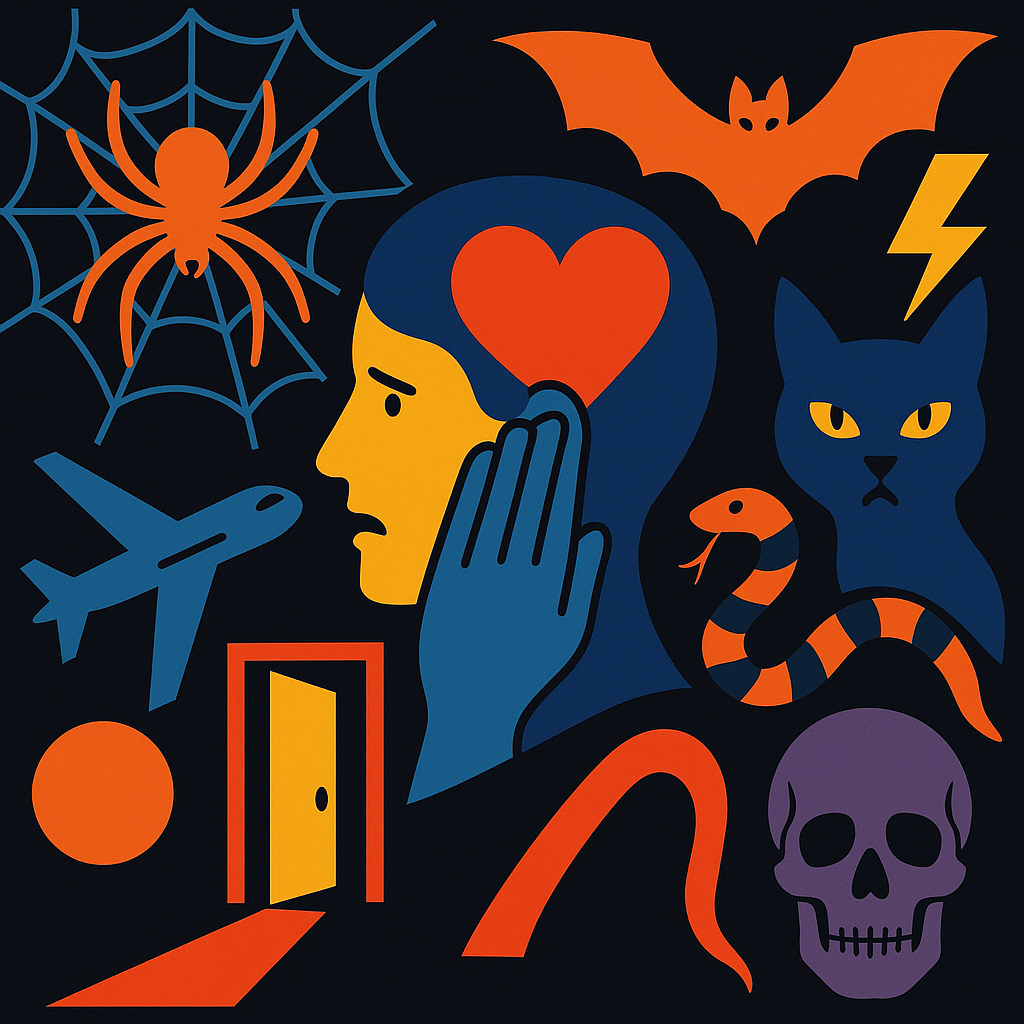
Arachibutyrophobia is the fear of peanut butter sticking to the roof of the mouth.
Nomophobia is the fear of being without a mobile phone or losing signal.
Hippopotomonstrosesquippedaliophobia is ironically the fear of long words.
Octophobia is the unusual fear of the number eight.
Somniphobia is the fear of falling asleep, often due to nightmares or the unknown.
Globophobia is the fear of balloons, especially the sound they make when they pop.
Phobophobia is the fear of having a phobia itself, creating a cycle of anxiety.
Surprising Facts About Architecture and Engineering
Fact · 8 facts — swipe through each one · Jun 3, 6:26 PM

The Great Wall of China is not a single continuous wall but a series of walls and fortifications built by various dynasties.
The Eiffel Tower can be 15 cm taller during the summer due to thermal expansion of its iron structure.
Construction of the Sagrada Familia in Barcelona, started in 1882, is still ongoing with an estimated completion date around 2026.
The world's largest building by volume is the Boeing Everett Factory in Washington, which is large enough to fit 75 football fields.
The ancient Romans were known to have used concrete, and their formula included volcanic ash, making it remarkably durable.
The first recorded use of a steel-reinforced concrete building was in 1854, marking a significant innovation in construction methods.
The Burj Khalifa in Dubai, standing at 828 meters, uses a special chemical formula in its glass to minimize heat absorption from the sun.
The Leaning Tower of Pisa has been stabilized over the years with engineering techniques, including soil extraction and the addition of lead counterweights.
Surprising Facts About Plants
Fact · 9 facts — swipe through each one · Jun 3, 12:54 PM
Bananas are technically herbs, not trees, because their 'trunk' is made of tightly packed leaves.
Bamboo is the fastest-growing plant in the world, with some species capable of growing up to 35 inches in a single day.
The Rafflesia arnoldii, native to Indonesia, produces the world's largest flower, measuring up to 3 feet in diameter.
The Amazon rainforest is home to more than half of the world's plant species.
Some orchids can live for up to 100 years in the right conditions.
The Welwitschia plant can live for over 1,000 years and is found in the Namib Desert of Africa.
Carnivorous plants like the Venus flytrap and pitcher plants have evolved to consume insects to supplement nutrients in poor soil conditions.
Trees are the longest-living organisms on Earth, with some bristlecone pines over 5,000 years old.
Apples, pears, cherries, and many other fruits belong to the rose family.
Surprising Time and Calendar Facts
Fact · 8 facts — swipe through each one · Jun 3, 7:24 AM
The ancient Romans used a calendar with only ten months, excluding January and February, until 713 BC.
A 'leap second' is occasionally added to Coordinated Universal Time to account for Earth's slowing rotation.
In Samoa, Friday, December 30, 2011, did not exist when the nation skipped a day to align its time zone with major trading partners.
The modern Gregorian calendar was first instituted by Pope Gregory XIII in 1582 to correct the Julian calendar's inaccuracies.
There is a Mars calendar, which is used to track time on the surface of Mars, where a day, called a 'sol,' is about 24 hours and 39 minutes long.
The word 'hour' comes from the ancient Egyptian word 'hōra,' a unit of time used to measure the 12 hours of daylight.
Despite February 29th being a rare occurrence, babies born on this day can celebrate their actual birthdays only once every four years, known as 'leaplings'.
The longest year in history was 46 BC, with 445 days, due to the insertion of months to realign the Roman calendar with the seasons.
Interesting Facts About Weather and Climate
Fact · 8 facts — swipe through each one · Jun 3, 12:35 AM
The coldest temperature ever recorded on Earth was -128.6 degrees Fahrenheit (-89.2 degrees Celsius) at Vostok Station in Antarctica in 1983.
The Great Barrier Reef is so vast that it can affect weather patterns by influencing ocean currents and temperatures.
One bolt of lightning contains enough energy to toast 100,000 slices of bread.
The Sahara Desert is expanding at a rate of about 30 miles (48 kilometers) per year due to climate change and human activities.
Rainbows are actually full circles, but we usually see only half of them from the ground.
The highest recorded speed of a raindrop is 18 miles per hour (29 kilometers per hour).
Hurricanes can release more energy in a single day than the entire world’s energy consumption.
A cloud can weigh more than a million pounds due to the water droplets it contains.
Surprising Facts About Childhood and Development
Fact · 7 facts — swipe through each one · Jun 2, 9:39 PM
Babies are born with 300 bones, but by adulthood, the number reduces to 206 as some bones fuse together.
Children's brains develop faster during the first five years than at any other time in their lives.
By the age of three, a child can already understand up to 1,000 words.
Children who learn a second language before the age of 10 have a better chance of developing native-like pronunciation.
Infants as young as six months can distinguish between different languages just by looking at the speaker's mouth movements.
Approximately 94% of children under the age of four in the United States have used a mobile device.
The average four-year-old child asks over 400 questions a day.
The Brain Never Grows Old
Columbia University — Dr. Denise Park (2014) · Jun 2, 9:38 PM
“Our brains are never as set in stone as we think.”
I’ve always been fascinated by the idea that learning doesn’t stop when we graduate school. Yet, the older we get, the m…
The Insight
The human brain remains a playground of possibilities, no matter our age.
Interesting Facts About Games and Play
Fact · 7 facts — swipe through each one · Jun 2, 5:44 PM
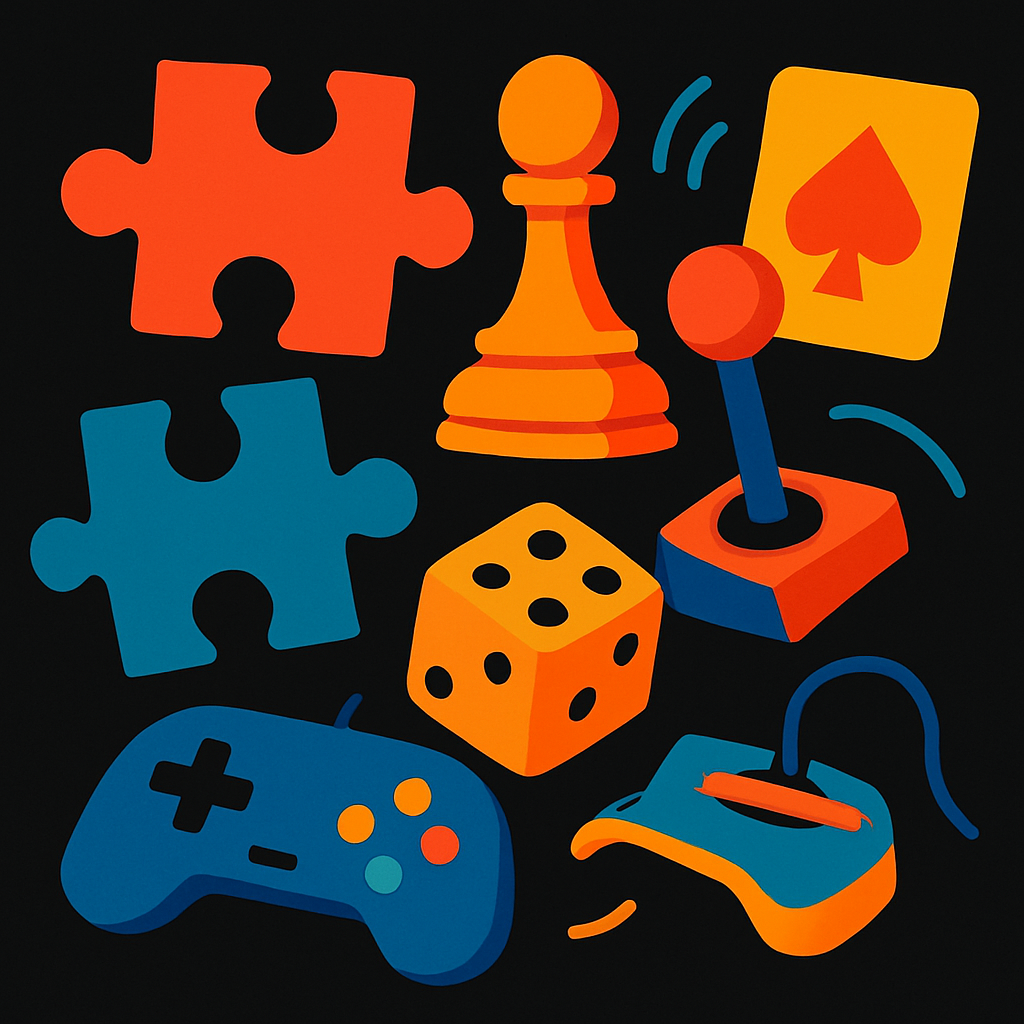
The longest Monopoly game ever played lasted more than 70 days.
Chess is thought to be over 1,500 years old, originating from a game called Chaturanga in India.
The world record for the longest time playing a video game is over 35 hours on FIFA 22.
Scrabble was originally called Lexiko and was created during the Great Depression.
The Rubik's Cube, invented in 1974, has over 43 quintillion possible configurations.
The game of tag is said to date back to the Roman Empire, where it was played by soldiers.
Mario, from Nintendo's popular games, was initially called Jumpman when he debuted in 1981.
Surprising Facts About Endangered Species and Conservation
Fact · 8 facts — swipe through each one · Jun 2, 9:41 AM
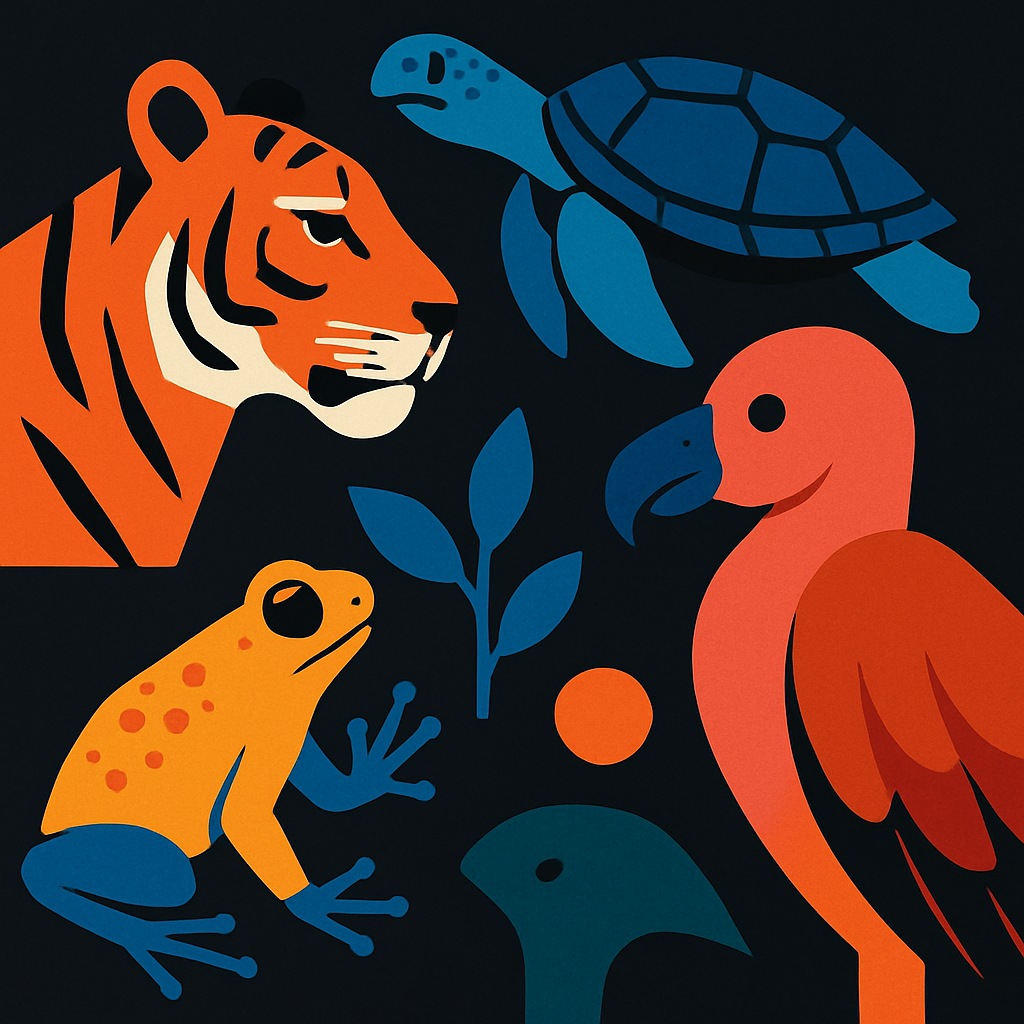
The Javan rhinoceros, with fewer than 80 individuals left, is found only in a single national park in Indonesia.
Vaquita porpoises, one of the world's smallest cetaceans, are critically endangered with around 10 individuals estimated to be left in the wild.
The kakapo, a flightless parrot from New Zealand, has a dedicated 'dating' app for its conservation breeding program.
There are more tigers in captivity in the United States than there are left in the wild.
The world's rarest marine mammal, the vaquita, is a victim of illegal fishing nets meant for another endangered species, the totoaba fish.
The amur leopard, known for its stunning coat, has fewer than 100 individuals left in the wild.
Polar bears are classified as marine mammals because they spend most of their time on sea ice in the Arctic Ocean.
In a positive twist, the population of mountain gorillas has doubled over the last three decades due to intense conservation efforts.
Empathy's Silent Power
Yale University — Brackett et al., 2019 · Jun 2, 4:20 AM
“A small gesture often echoes louder than grand speeches.”
I once underestimated the power of a simple smile—a casual, effortless expression we often give away without much though…
The Insight
The smallest acts of empathy can transform emotional landscapes more profoundly than the loudest proclamations.
Surprising Facts About Senses and Perception
Fact · 8 facts — swipe through each one · Jun 2, 1:10 AM
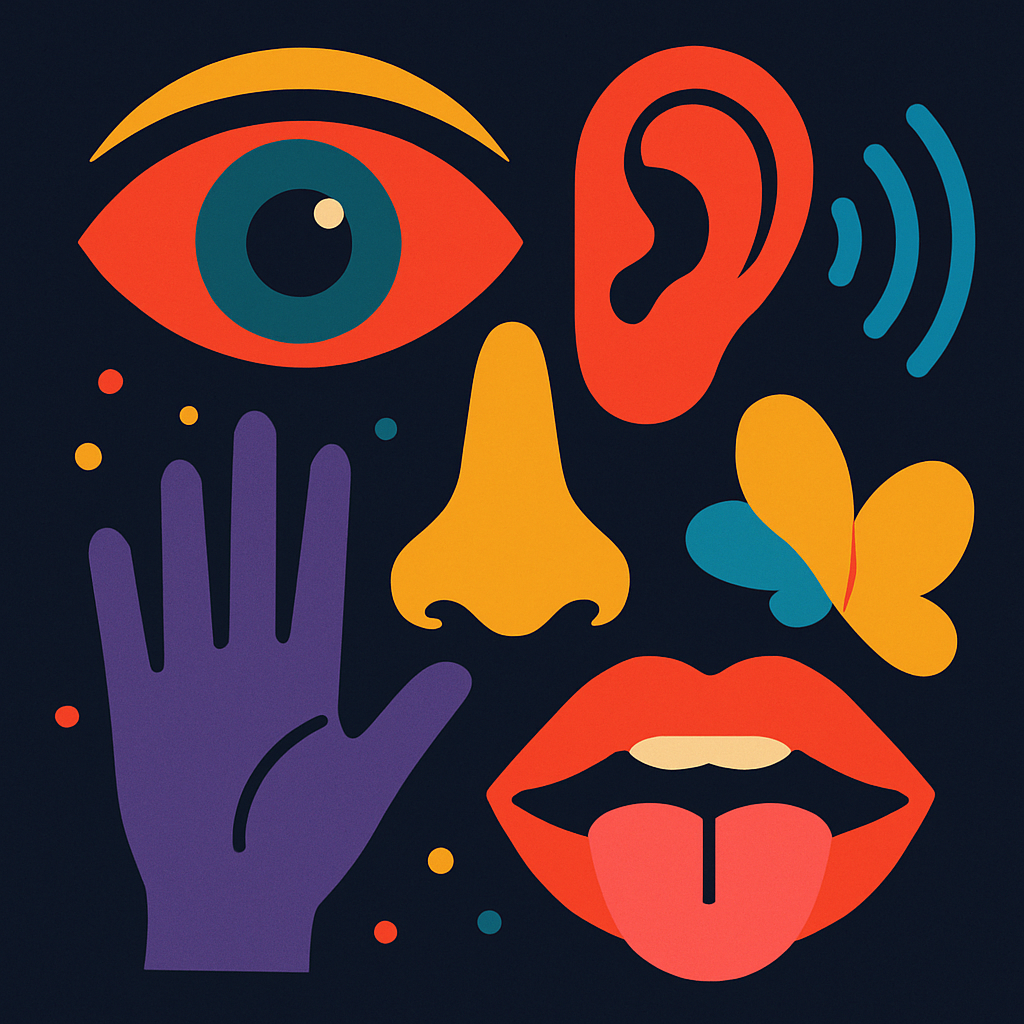
Humans can distinguish between at least one trillion different scents.
Some people have a condition called synesthesia, where they can 'taste' colors or 'see' sounds.
The human nose can remember 50,000 different scents.
Your eyes blink around 20 times a minute, which equates to over ten million times a year.
Dogs can hear sounds as high as 65,000 Hz, while humans max out at 20,000 Hz.
Our sense of taste is 80% dependent on our sense of smell.
Cats have a higher hearing range than dogs, with the ability to hear frequencies up to 79,000 Hz.
Humans are bi-chromatic at birth but switch to being tri-chromatic, which means they develop the ability to see red, green, and blue hues.
The Silent Puppeteer
Northwestern University — Choi et al., 2021 · Jun 1, 7:35 PM
“Your bedroom rearranges your thoughts while you sleep.”
I never really considered how the soft glow of my phone or the flickering streetlight outside might be meddling with my…
The Insight
Our environment shapes our thoughts and behaviors in ways we often overlook, subtly guiding our cognitive processes while we sleep.
Surprising and Accurate Fun Facts About Music and Sound
Fact · 8 facts — swipe through each one · Jun 1, 7:03 PM
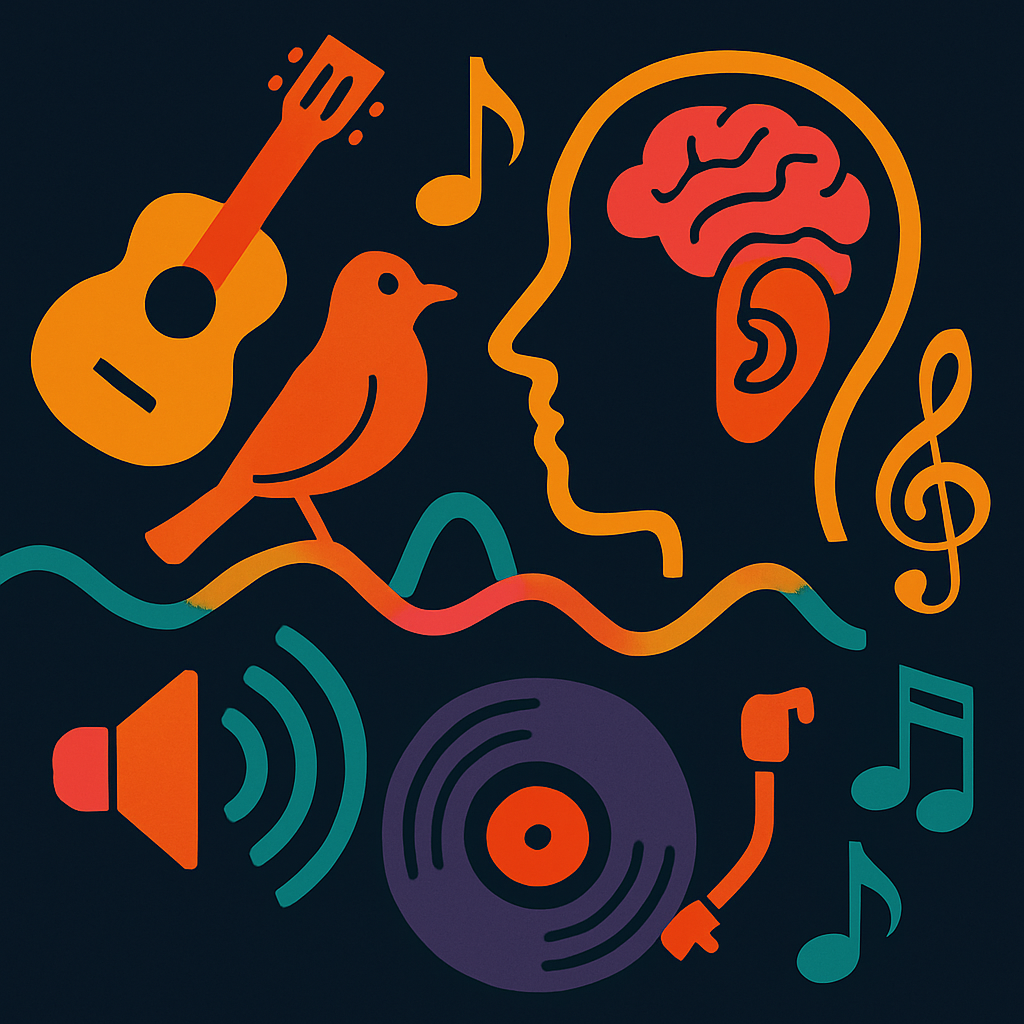
The world's quietest room, located at Microsoft's headquarters, is so silent you can hear your own heartbeat.
Listening to music releases dopamine, the same brain chemical associated with pleasurable activities like eating.
The song 'Jingle Bells' was originally written for Thanksgiving, not Christmas.
There are more people learning the piano in China than there are people living in Canada.
Loud music can make a person drink more in less time by altering their perception of time.
The longest recorded performance of a piece of music is 639 years and is being played in Halberstadt, Germany.
Sound travels 15 times faster through steel than through air.
Birds generally sing more at dawn because the air is cooler and less turbulent, allowing their songs to travel further.
Surprising Facts About Genetics and DNA
Fact · 7 facts — swipe through each one · Jun 1, 1:05 PM
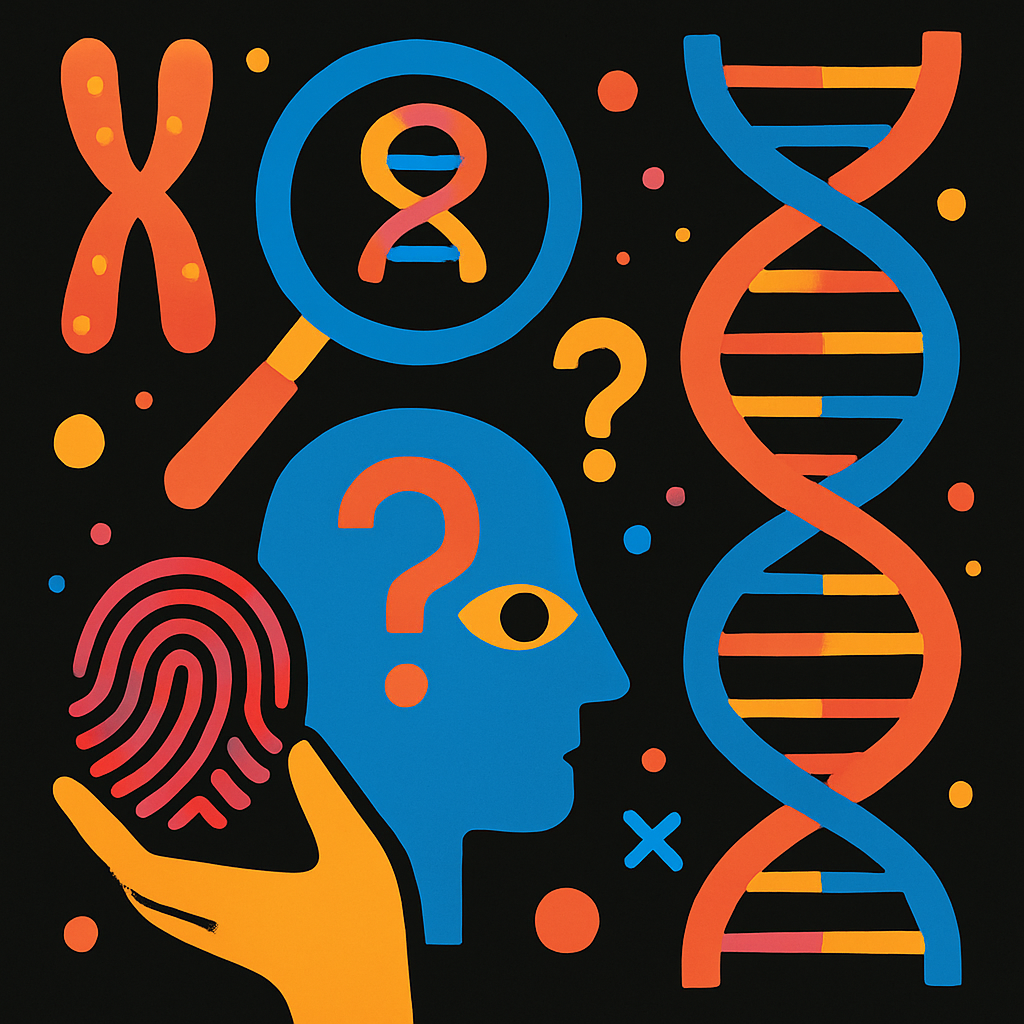
If uncoiled, the DNA from all the cells in your body could stretch to the sun and back about 600 times.
Humans share approximately 60% of their DNA with bananas, highlighting deep evolutionary connections.
DNA can store vast amounts of information, with a single gram holding up to 215 petabytes (about 215 million gigabytes).
Identical twins have nearly identical DNA, but their fingerprints are unique due to environmental factors in the womb.
The double helix structure of DNA was discovered in 1953 by scientists James Watson and Francis Crick.
Mitochondrial DNA, inherited only from the mother, allows scientists to trace maternal lineage over many generations.
The similarities between human and chimpanzee DNA are about 98.8%, underscoring our close genetic relationship.
Interesting Facts About Laughter and Humor
Fact · 9 facts — swipe through each one · Jun 1, 6:52 AM
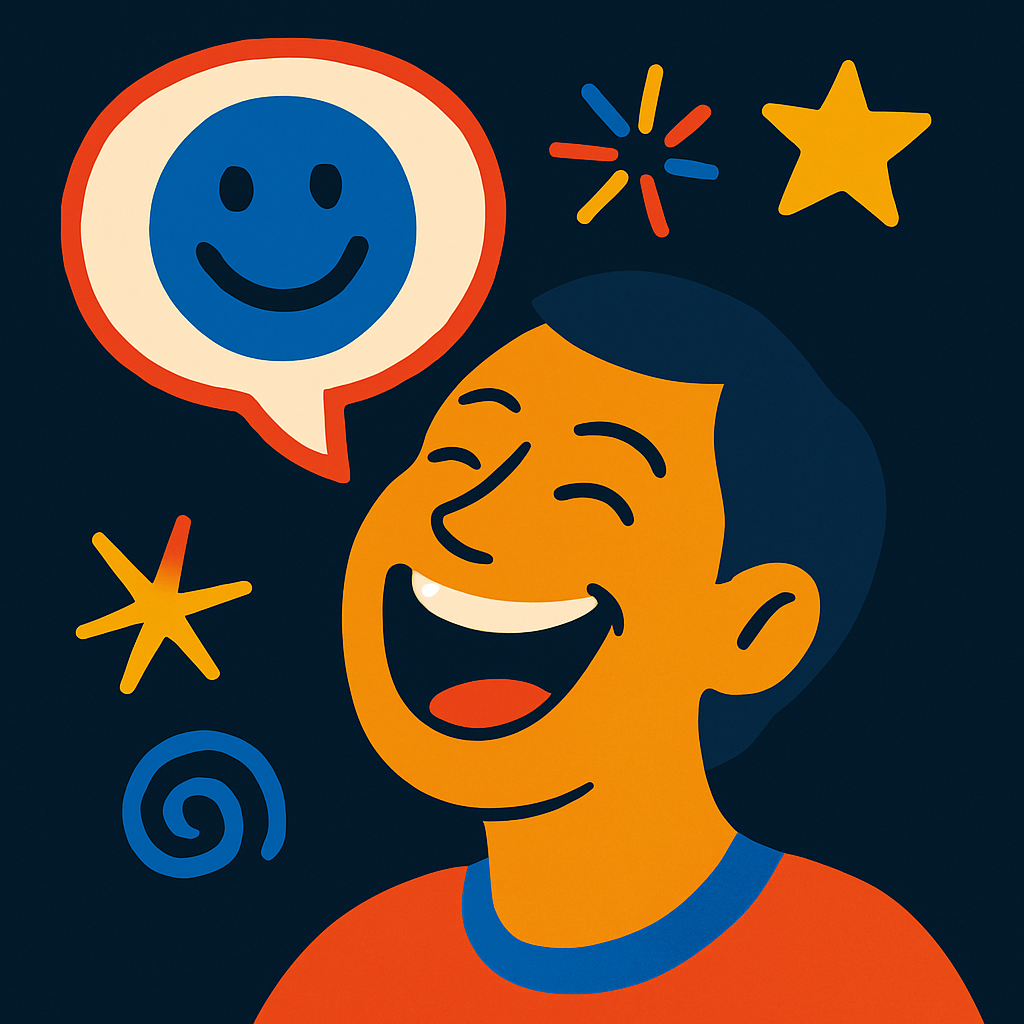
Laughter triggers the release of endorphins, the body's natural feel-good chemicals, which also temporarily relieve pain.
The study of laughter and its effects on the human body is known as gelotology.
Babies start laughing around the age of three to four months, long before they can speak or understand verbal language.
Laughter is a universal language, with cross-cultural studies showing that people from different backgrounds can recognize laughter across various cultures.
The average adult laughs around 17 times a day, while children laugh up to 300 times per day.
Laughter is contagious and can increase social bonding, which might explain why people often laugh more in groups.
Humans are not the only beings that laugh; some primates, especially chimpanzees, exhibit laughter-like sounds during play.
Laughter has been shown to improve cardiovascular health by increasing blood flow and improving the function of blood vessels.
During laughter, the brain releases serotonin, a neurotransmitter that contributes to feelings of well-being and happiness.
Intriguing Facts About Color and Light
Fact · 9 facts — swipe through each one · Jun 1, 12:47 AM
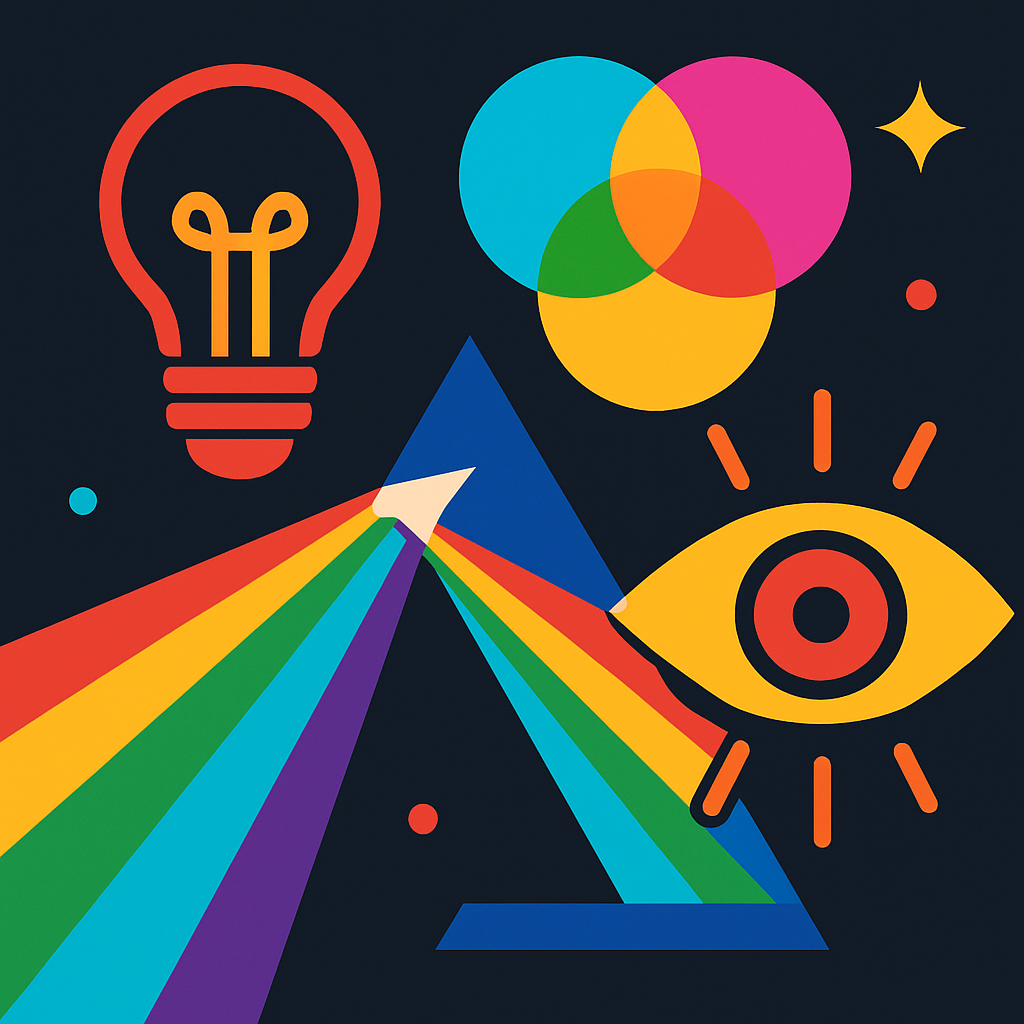
Bees can see ultraviolet light, allowing them to navigate and find pollen-rich flowers more easily.
The color of the sky on Mars is typically a butterscotch hue due to its thin atmosphere and dust particles.
The world's oldest known color is bright pink, dating back over a billion years, found in ancient marine shale.
A rainbow is actually a full circle, but the ground obstructs our view, so we usually only see its arc.
The human eye can distinguish about 10 million different colors, but most people see fewer shades of blue than other colors.
The phenomenon of bioluminescence, which causes some creatures to glow in the dark, is a result of chemical reactions within their bodies.
In space, the sun appears white rather than yellow because it is not filtered by Earth's atmosphere.
Flamingos are naturally gray; they turn pink due to the beta-carotene in their diet of algae and crustaceans.
The ancient Greeks didn't see blue as a distinct color and often described the sky as 'bronze' or 'wine-dark'.
Interesting Facts About Ocean and Marine Life
Fact · 9 facts — swipe through each one · May 31, 7:56 PM
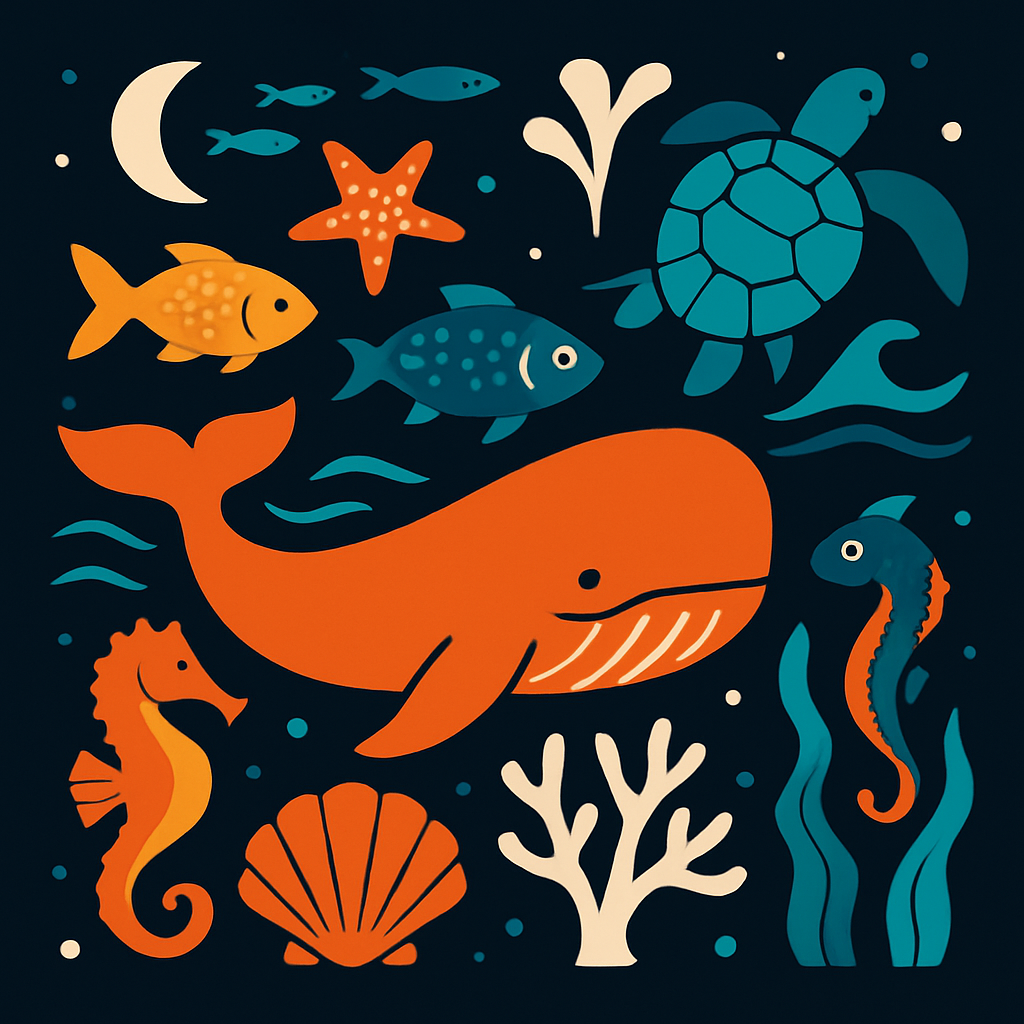
The ocean produces at least 50% of the Earth's oxygen through phytoplankton photosynthesis.
Octopuses have three hearts: two pump blood to the gills, while a third pumps it to the rest of the body.
Some species of sharks can detect a single drop of blood in an Olympic-sized swimming pool.
The blue whale, the largest animal on Earth, can weigh as much as 33 elephants and is as long as a basketball court.
Sea turtles have been around for over 110 million years, even surviving the event that wiped out the dinosaurs.
Starfish can regenerate lost arms, and in some cases, an entire body can grow from a single arm.
The deepest part of the ocean, the Mariana Trench, is so deep that if Mount Everest were placed inside it, the peak would still be underwater.
Jellyfish have neither brains nor hearts, yet they have existed for over 600 million years.
Dolphins use echolocation to hunt and navigate, allowing them to 'see' with sound waves.
Surprising Geography and Maps Facts
Fact · 7 facts — swipe through each one · May 31, 3:44 PM
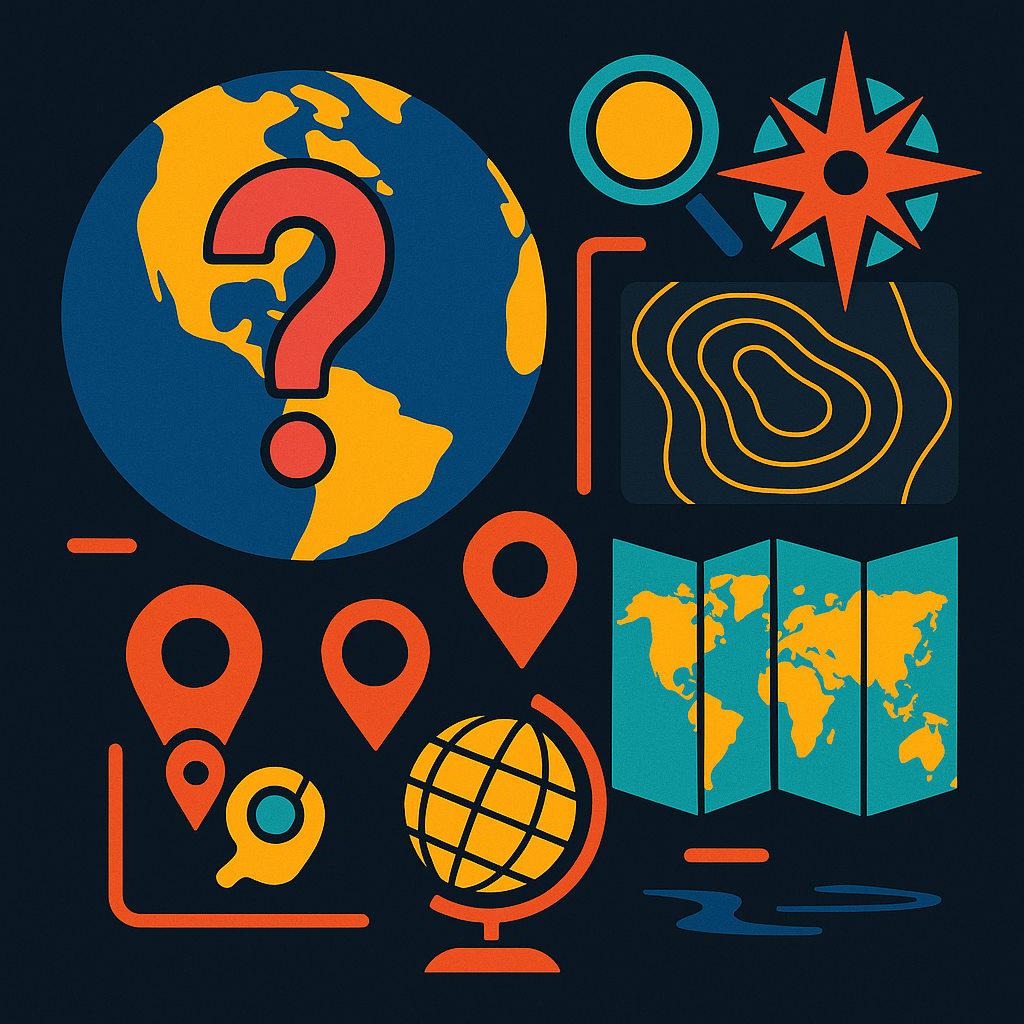
Canada has more lakes than the rest of the world's countries combined.
There is a town called Büsingen am Hochrhein that is entirely in Germany but uses Swiss currency.
Alaska is both the westernmost and easternmost state in the United States due to the Aleutian Islands crossing the 180th meridian.
Istanbul is the only city in the world that straddles two continents, Europe and Asia.
Maine is the closest U.S. state to Africa.
The world's largest desert is not the Sahara but Antarctica, which is classified as a cold desert.
Australia is wider than the moon, measuring about 4,000 kilometers across compared to the moon's 3,474 kilometers.
Bridging the Knowing-Doing Gap
University of California, Berkeley — Simons et al., 2021 · May 31, 2:09 PM
“Intelligence isn't the same as action.”
There are times when I find myself fully aware of the steps necessary to improve my life—whether it's sticking to a new…
The Insight
Bridging the gap between knowing and doing requires overcoming the emotional and cognitive inertia that holds us back.
Surprising Facts About Technology and Invention
Fact · 7 facts — swipe through each one · May 31, 8:05 AM

The first 3D printer was created in 1984 by Charles Hull, kickstarting the future of on-demand manufacturing.
The term 'robot' was first used in a 1920 play by Czech writer Karel Čapek called 'R.U.R.', which stands for Rossum's Universal Robots.
The first email was sent by Ray Tomlinson in 1971, who also decided to use the '@' symbol to separate the username from the computer name.
The world's first website, info.cern.ch, was created in 1991 by Tim Berners-Lee, who also invented the World Wide Web.
In 1969, the first message sent over the ARPANET, the predecessor to the internet, was 'LO' because the system crashed while typing 'LOGIN'.
The first smartphone, IBM's Simon Personal Communicator, was introduced in 1992 and featured a touchscreen and apps.
Bluetooth technology is named after a 10th-century Scandinavian king, Harald 'Bluetooth' Gormsson, who united Denmark and Norway.
Surprising Psychology and Behavior Facts
Fact · 8 facts — swipe through each one · May 31, 1:37 AM
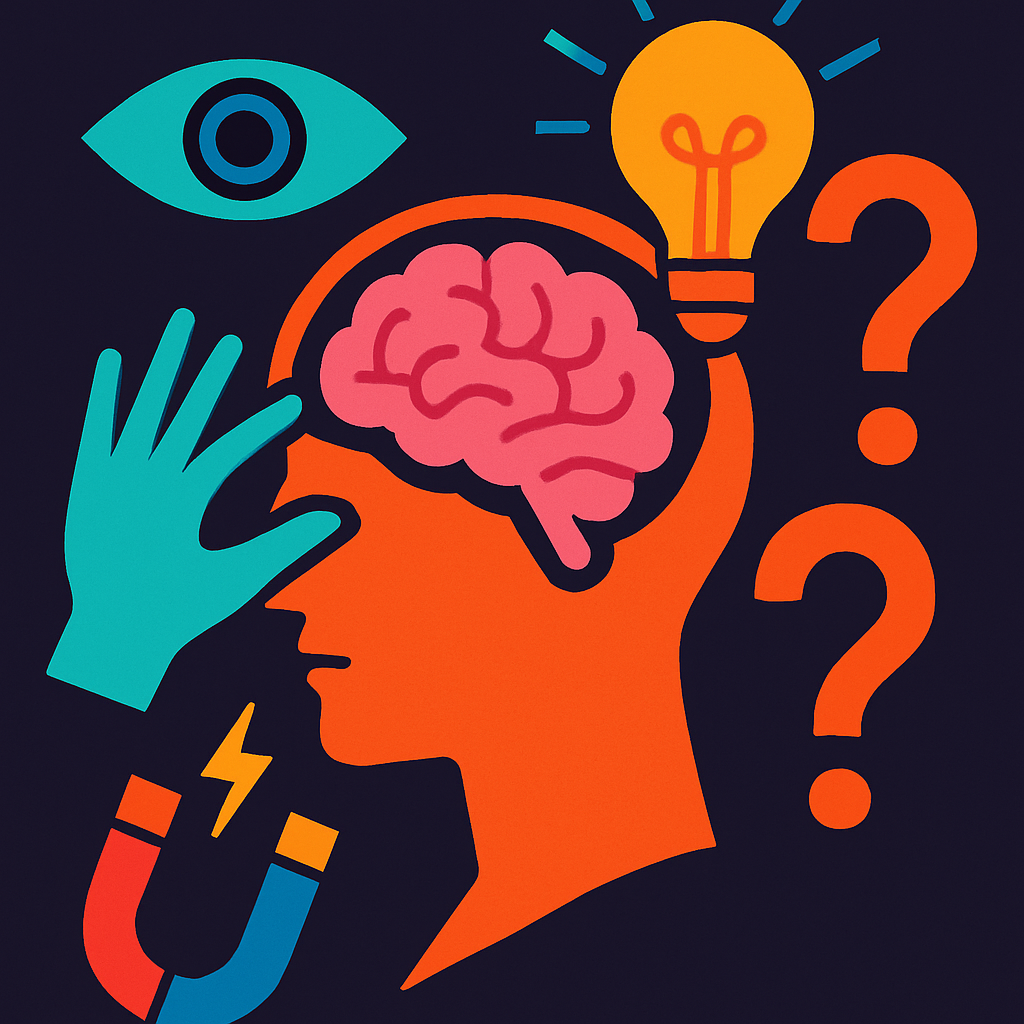
Studies show that people who doodle during meetings can retain up to 29% more information compared to those who don't.
Research has found that expressing gratitude can lead to a 10% overall increase in happiness and well-being.
Mirror neurons in the brain are activated not only when you perform an action, but also when you see someone else do it, helping you understand their emotions.
The 'mere exposure effect' suggests that people tend to develop a preference for things they are exposed to repeatedly, even if they're neutral at first.
Smiling, even when you don't feel like it, can actually improve your mood because it triggers dopamine and serotonin release in the brain.
Approximately 65% of people tilt their head to the right when kissing, a tendency linked to brain hemisphere dominance.
The brain's hippocampus, essential for memory formation, can shrink with prolonged stress, but activities like meditation and exercise can help it recover.
The 'illusion of transparency' is a cognitive bias where people overestimate how well others can discern their emotional state.
Surprising Space and Astronomy Facts
Fact · 9 facts — swipe through each one · May 30, 8:41 PM
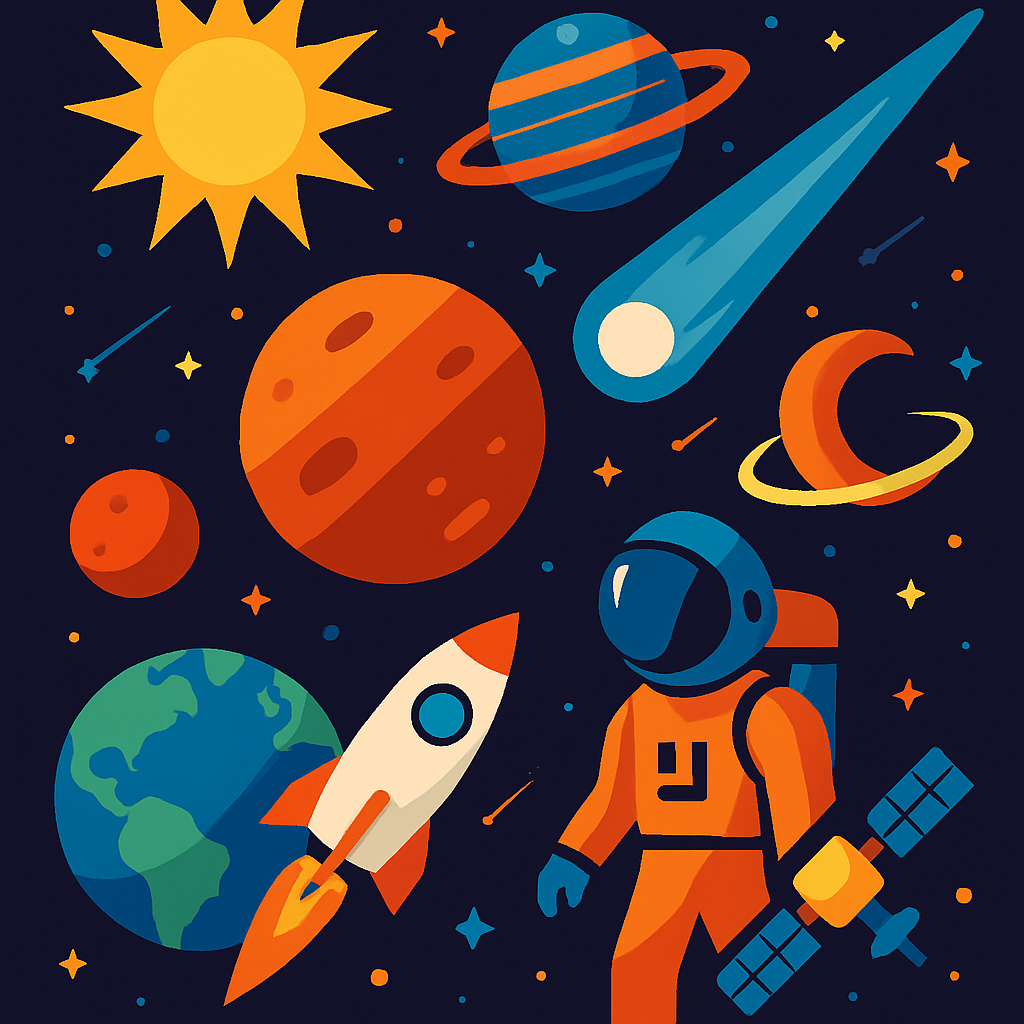
Venus rotates so slowly that its day is longer than its year.
A day on the planet Mercury lasts about 59 Earth days.
Neutron stars are so dense that a sugar-cube-sized amount of material would weigh about as much as all of humanity.
There are more trees on Earth than stars in the Milky Way galaxy.
Saturn could float in water because it is mostly made of gas and is less dense than water.
Jupiter's Great Red Spot is a storm larger than Earth that has been raging for at least three centuries.
If two pieces of the same type of metal touch in space, they will bond together permanently — this is called cold welding.
The Sun is 400 times larger than the Moon but also 400 times farther away, making them appear the same size in the sky.
The footprints left by Apollo astronauts on the Moon could stay there for millions of years since there is no wind or water to erase them.
Interesting Facts About Food and Cooking Science
Fact · 8 facts — swipe through each one · May 30, 6:45 PM
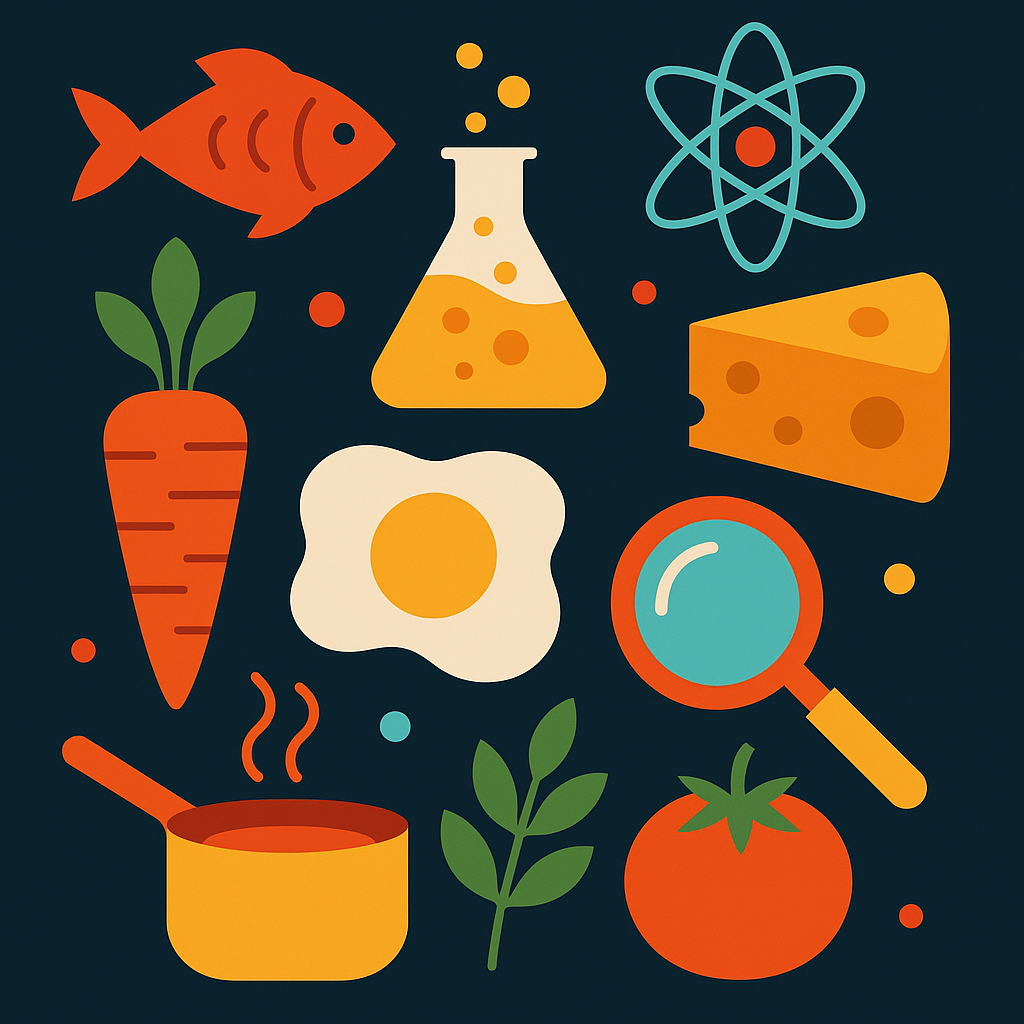
Honey is the only natural food that never spoils, with edible honey found in ancient Egyptian tombs.
Carrots were originally purple before the 17th century, when Dutch growers cultivated the orange variety we know today.
Microwaves heat food by causing water molecules to vibrate, creating heat through friction.
Pineapples contain bromelain, an enzyme that can break down proteins, which is why it can make your mouth sore if you eat too much.
Cooking spinach actually increases its levels of some nutrients, making them more absorbable by the body.
The chemical reaction that browns meat and gives baked goods their tasty crust is called the Maillard reaction.
Apples float in water because 25% of their volume is air.
The reason onions make you cry is due to the release of a gas called syn-Propanethial-S-oxide, which irritates the eyes.
Surprising Turning Points in History
Fact · 7 facts — swipe through each one · May 30, 10:31 AM
The eruption of Mount Vesuvius in 79 AD, which buried Pompeii, led to advances in geological studies and disaster preparedness.
The unexpected landing of the Mayflower in 1620 at Plymouth Rock was due to navigational errors, altering the course of American settlement.
The invention of the printing press in the 15th century by Johannes Gutenberg led to a significant spread of knowledge and literacy, fueling the Renaissance era.
The failure of the potato crop in Ireland during the 1840s famine led to a massive wave of emigration, significantly impacting American demographics.
The 1906 San Francisco earthquake prompted major changes in building codes and urban planning across the United States.
The eruption of Krakatoa in 1883 was so powerful that it altered global climate patterns and led to vivid sunsets worldwide for years.
The creation of the Suez Canal in 1869 drastically shortened the maritime route between Europe and Asia, transforming global trade.
The Brain's Secret Rebellion
University of California, Berkeley — Dweck et al. (2016) · May 28, 9:55 PM
“Your brain is a rebel, defying the rules to grow.”
When I first learned about neuroplasticity, I was awestruck by the idea that our brains can continually rewire themselve…
The Insight
Our brains continue to grow and evolve precisely when we challenge the notion that they can't.
The Connection Paradox Uncovered
University of Kansas — Bahns et al. (2016) · May 27, 4:46 PM
“Common wisdom says opposites attract, yet science begs to differ.”
I've always been enamored by the idea of opposites attracting. There’s something romantic about the notion that we are d…
The Insight
In human relationships, shared values and interests build stronger bonds than differences ever could.
The Unseen Rhythm of Habit
University College London — Poldrack et al. (2005) · May 27, 4:00 AM
“We dance to patterns that play invisibly beneath our consciousness.”
The more I think about it, the more I notice how much of my daily routine is on autopilot. I wake up, reach for the coff…
The Insight
Our minds are often gone before we know it, tracing familiar paths while we dream of new destinations.
Memory's Deceptive Dance
Northwestern University — Schacter et al., 2017 · May 27, 2:04 AM
“Memory is a liar, and perception its willing accomplice.”
I’ve often prided myself on my ability to remember past events with clarity and detail. A favorite family story or a fun…
The Insight
What we remember is not a perfect record of the past, but an ever-evolving narrative shaped by the present.
The Dark Side of Flow
Stanford University — Morsella et al., 2009 · May 26, 5:32 PM
“Creativity thrives most when we embrace discomfort.”
I've always sought comfort as a primary goal in my life, thinking it would be the ideal breeding ground for creativity.…
The Insight
The moments of greatest discomfort often unlock our deepest creative potential.
Our Brains Resist New Learning
Carnegie Mellon University — Behrmann et al. (2005) · May 26, 3:31 PM
“We are biologically wired to resist change.”
I always wondered why picking up a new skill seemed so daunting compared to when I was a kid. Back then, learning felt e…
The Insight
We are hardwired to prefer familiarity over growth, making lifelong learning a defiant act of will.
The Hidden Shapers of Our Minds
University of London — Rosenzweig et al. (1972) · May 26, 5:49 AM
“We are the architects of our own neural highways.”
I've always believed that who we become is a mosaic of our experiences, a gallery of moments collected over a lifetime.…
The Insight
Our environments, both chosen and accidental, invisibly etch the neural maps that guide our lives.
Resilience: Rethinking Stress Survival
Stanford University — Crum et al. (2013) · May 25, 11:40 PM
“The strongest don't always survive — the flexible do.”
For the longest time, I believed that being resilient meant being tough, like a rock in a storm. But storms are unpredic…
The Insight
True resilience is not about being unbreakable but about embracing flexibility in the face of stress.
The Brain's Quiet Transformation
University of Edinburgh — Johansen-Berg et al. (2017) · May 24, 8:52 PM
“Our bodies whisper the secrets of learning, if only we listen.”
I often find myself engrossed in the mental challenge of learning something new, focusing intensely on the cerebral aspe…
The Insight
True learning encompasses not just the brain but the entire body, revealing our hidden capacity for transformation.
Sleep Less, Think Less
University of California, Berkeley — Walker et al., 2007 · May 24, 12:21 AM
“We sabotage our intelligence every night with late-night scrolling.”
I can't count the number of times I've promised myself an early night, only to find the clock creeping past midnight whi…
The Insight
We willingly trade our cognitive brilliance for the fleeting comfort of digital distraction.
Why We Cheat Ourselves of Sleep
University of California, Berkeley — Walker et al. (2017) · May 23, 4:48 PM
“Knowing isn't doing when it comes to sleep.”
I read about the effects of sleep deprivation all the time and nod along, acknowledging the damage staying up late does…
The Insight
The gap between knowing and doing is where our habits truly hold power over us.
When Sleep Wisdom Fails Us
University of California, Berkeley — Walker et al. (2017) · May 23, 11:34 AM
“More sleep isn't always the answer to sharper thinking.”
For as long as I remember, I've been told that eight hours of sleep is the magical key to optimal brain power. But perso…
The Insight
Human experience defies simple rules, especially when it comes to something as personal and complex as sleep.
Sleepless Minds, Surprising Discoveries
University of California, Berkeley — Walker et al. (2020) · May 23, 6:34 AM
“Tiny tweaks to sleep can change everything.”
I always thought missing a couple of hours of sleep here and there was no big deal. My brain would soldier on, driven by…
The Insight
The quiet power of sleep is profound: it is the invisible architect of our cognitive clarity and daily potential.
The Happiness Mirage
Psychological Science — Brickman et al. (1978) · May 22, 4:48 PM
“Our greatest joys are often mirages shaped by our misunderstanding of motivation.”
I've often imagined that reaching a particular milestone — a dream job, a stunning vacation, a new relationship — would…
The Insight
We chase fleeting highs because we misinterpret the pursuit as the source of our happiness.
Brains Are Meant to Change
University of Oxford — Scholz et al. (2009) · May 22, 10:34 AM
“We insist on staying the same while our brains demand transformation.”
I've always been a creature of habit, clinging to routines like a lifeline, convinced they were my saving grace. The tho…
The Insight
Our brains are designed to change; resisting new experiences denies our own nature.
The Trust Within Us
Stanford University — Kosfeld et al., 2005 · Apr 29, 2:39 PM
“Every betrayal begins where the body whispers 'wait'.”
I remember a time when I sat across from a friend, feeling something inexplicable in my gut telling me to withhold trust…
The Insight
Our bodies often recognize the truth of trust long before our minds do.
Avoidance: The Mirror of Our Mind
University of Cambridge — Wessel et al. (2019) · Apr 29, 1:47 AM
“Avoidance isn't just a defense mechanism; it's a mirror into our deepest fears.”
I always thought my avoidance of certain tasks was just laziness. But reflecting deeper, I realized it wasn't about the…
The Insight
Avoidance shines a light on our unspoken fears, showing us not what we must run from, but what we must face to grow.
The Change We Avoid
Stanford University — Wood et al. (2020) · Apr 28, 1:16 PM
“The easiest habits to change are often the ones we never start.”
I find it strangely comforting yet unsettling to realize how little control I have over my own impulses. The truth is, I…
The Insight
The human truth is that our surroundings often have more say in our habits than we do.
The Sleep-Cognition Loop
University of California, Berkeley — Walker & van der Helm (2009) · Apr 28, 4:13 AM
“We sleepwalk through our nights, and our days pay the price.”
Every night, I fall into bed, exhausted, promising myself that tomorrow I'll get more sleep. Yet, the cycle repeats; I s…
The Insight
We unconsciously entangle ourselves in cycles that blur our nights and cloud our days, yet expect sharpness and clarity to follow.
The Whisper of Fear
University of Wisconsin — Schacter (2019) · Apr 27, 2:24 PM
“We ignore the whisper until it screams.”
I remember the first time I realized my body had been speaking to me about fear before my mind caught on. It was a subtl…
The Insight
Our bodies whisper the truths our minds leave unspoken.
The Heavy Armor of Resilience
University of Wisconsin-Madison — Davidson et al., 2019 · Apr 27, 1:19 AM
“Resilience often builds from stress, not comfort.”
It's unnerving to think of stress as a necessary ingredient for growth. I prefer the calm of a serene life, yet the most…
The Insight
It's in confronting stress, not escaping it, that the strongest resilience is forged.
Memory's Trick on the Mind
Northwestern University — Donna J. Bridge (2012) · Apr 25, 7:51 PM
“Our brains lie to us, constantly.”
I like to think I have a great memory, especially when reminiscing about childhood adventures with my brother. Yet, when…
The Insight
Our memories, reshaped by every recall, become richer narratives that speak more about who we are now than what happened then.
The Hidden Power of Our Surroundings
University of British Columbia — Mehta and Zhu (2009) · Apr 25, 1:19 PM
“Your mind is reshaped by the room you're in.”
For years, I underestimated how my environment might be influencing my thoughts. I would brush off the clutter in my off…
The Insight
Our environments act as silent architects of our thoughts and feelings, influencing us far more than we realize.
The Unseen Puppeteer
Stanford University — Kraus et al. (2011) · Apr 15, 7:28 AM
“Social hierarchies quietly dictate who we become.”
I never realized how much my upbringing shaped my behavior until I moved to a new city, a bustling metropolis where my s…
The Insight
Our environments weave invisible strings that shape our behaviors and social interactions more than we care to admit.
Surprising Coincidences and Luck Facts
Fact · 7 facts — swipe through each one · Apr 14, 12:48 AM

In 1954, a man was struck by a meteorite while in his living room, making him the only confirmed person to ever be directly hit by one.
In 2004, a South African woman won the lottery twice in one day, a likelihood of around one in 17 trillion.
The odds of shuffling a deck of cards into perfect sequential order are approximately one in 10 to the power of 68.
In 1965, twins in Ohio both died of heart attacks on the same day despite living 40 miles apart.
In 1895, the only collision involving two cars in the state of Ohio happened because the roads were mostly empty, making the crash a bizarre coincidence.
In 1920, three strangers on a train in Peru discovered they were all named Juan Valdez, an improbable coincidence given the name's rarity in the region.
Astronaut Neil Armstrong and aviator Charles Lindbergh were born 59 years apart to the day, both pioneers in their respective fields.
Invisible Molds of Our Mind
Princeton University — Barrett et al., 2011 · Apr 13, 11:56 PM
“We become the reflections of our environment's whispers.”
Growing up, I never realized how the silent mood of my home subtly dictated my own emotional responses. It was as if the…
The Insight
Our environments shape our emotional landscapes, silently molding who we are and how we connect with the world.
The Pulse We Ignore
University of California, Berkeley — Dacher Keltner (2015) · Apr 13, 12:47 AM
“Our body whispers truths our mind shouts over.”
I remember the first time I really noticed my heart racing. It wasn't the thrill of an amusement park ride or the excite…
The Insight
Our bodies often reveal the truths our minds are too busy to acknowledge.
Fascinating Facts About Dreams and Sleep Science
Fact · 7 facts — swipe through each one · Apr 12, 6:29 PM
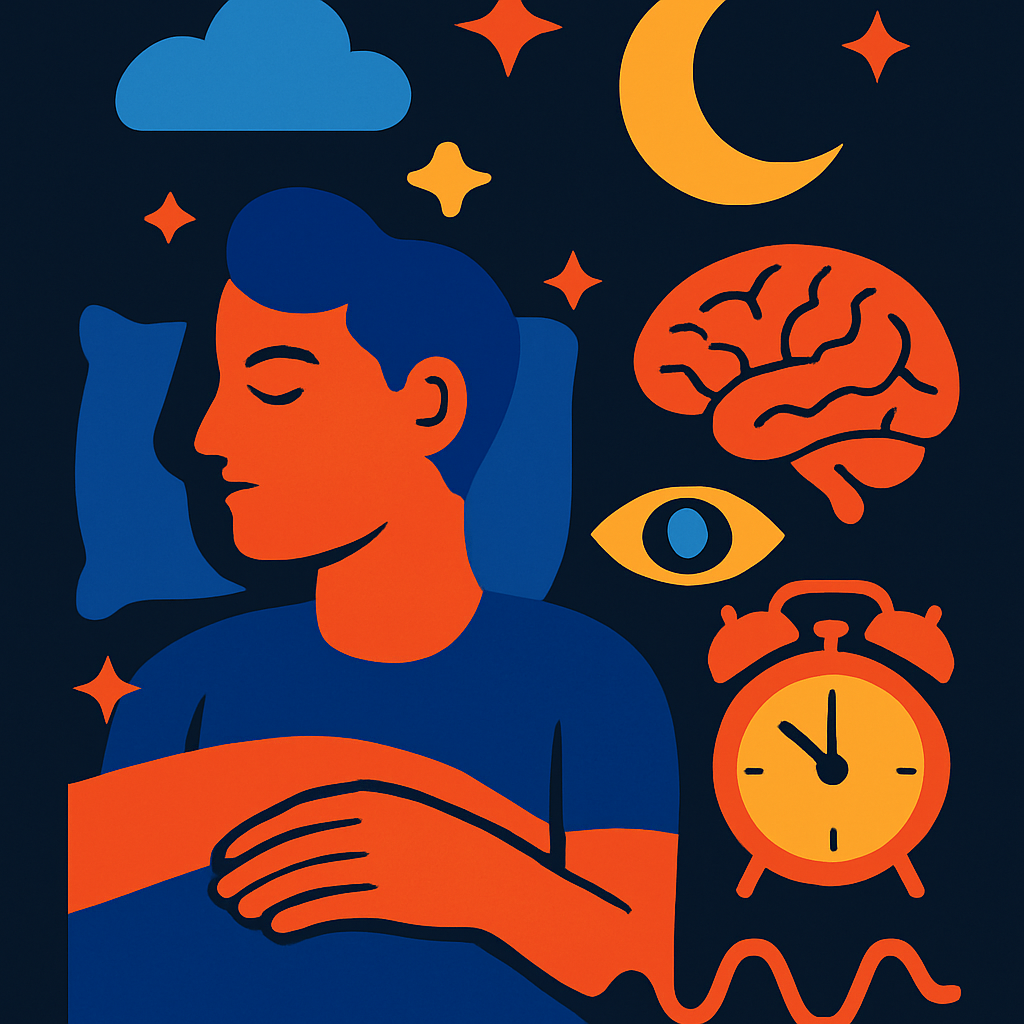
Humans spend a third of their lives asleep, amounting to nearly 25 years on average.
Dreams occur predominantly during REM (Rapid Eye Movement) sleep, a stage that makes up about 20-25% of an adult's sleep cycle.
Blind people can experience visual dreams if they became blind after birth, using memories from when they had sight.
Studies suggest that 12% of people dream exclusively in black and white, a number that was higher before color television was common.
The world's record for the longest period without sleep is approximately 11 days, set by a high school student named Randy Gardner in 1964.
Animals such as cats and dogs experience REM sleep and have been observed to dream, often showing movements like twitching paws.
Sleep paralysis is a phenomenon where a person, either falling asleep or waking up, temporarily experiences an inability to move or speak.
The Resilience Paradox
Harvard Medical School — Epel et al., 2004 · Apr 11, 10:38 AM
“We should be stress-proof, yet we're not.”
I've always thought resilience was simply about bouncing back—an elastic quality that some people just have. But when li…
The Insight
True resilience is the wisdom to know when to rest, not just the strength to persevere.
The Body Remembers
Karolinska Institutet — Bergquist et al., 2021 · Apr 11, 1:13 AM
“Your skin whispers the secrets of forgotten days.”
It's remarkable how a single touch can unravel memories you thought were long buried. A familiar texture or a gentle bre…
The Insight
Memory is a tapestry woven not just by the mind, but by the entire body, resonating silently through every fiber of our being.
Surprising Facts About Numbers and Statistics
Fact · 7 facts — swipe through each one · Apr 10, 10:37 AM
A 'jiffy' is an actual unit of time in physics, defined as the time it takes light to travel one centimeter in a vacuum, approximately 33.3564 picoseconds.
The number zero was first used in India in the 5th century and is a key element in modern mathematics, enabling calculations and the concept of infinity.
There are more possible iterations of a game of chess than there are atoms in the known universe, with estimates putting the number at around 10^120.
In a group of just 23 people, there is a 50% chance that two people share the same birthday, according to the Birthday Paradox.
The Fibonacci sequence is closely related to the golden ratio, and both can be observed in natural patterns such as the arrangement of leaves on a stem.
An octillion, equal to 1 followed by 27 zeros, is a number so large that it's difficult to represent in physical terms, yet it's used in scientific calculations.
Pi (π) is an irrational number, meaning it cannot be expressed as a simple fraction, and its decimal representation never repeats or ends.
Surprising Health and Medicine Breakthroughs
Fact · 9 facts — swipe through each one · Apr 10, 7:44 AM
Scientists have developed a vaccine that can help train the immune system to fight against certain types of cancer.
Researchers have successfully used CRISPR gene-editing technology to treat beta-thalassemia, a hereditary blood disorder.
Probiotics are being explored as a potential treatment for depression, linking gut health directly to mental well-being.
Virtual reality is being used in hospitals to help patients manage pain and anxiety without the need for medication.
Scientists have discovered a way to 3D-print living tissue, which could eventually lead to the creation of transplantable organs.
New technology allows for remote monitoring of vital signs through smart clothing, enabling doctors to track patients' health in real-time.
A groundbreaking study has shown that intermittent fasting can improve cognitive function and protect the brain from age-related diseases.
Artificial intelligence is being used to predict outbreaks of infectious diseases by analyzing climate data, travel patterns, and social media activity.
Stem cell therapy is being used to successfully regenerate damaged heart tissue after a heart attack.
Interesting Facts About Phobias and Fears
Fact · 7 facts — swipe through each one · Apr 10, 5:00 AM
Arachibutyrophobia is the fear of peanut butter sticking to the roof of one's mouth.
The fear of long words is paradoxically known as hippopotomonstrosesquippedaliophobia.
Cherophobia is the fear of being happy or experiencing joy.
Nomophobia is the fear of being without a mobile phone or beyond mobile phone contact.
Xanthophobia is the fear of the color yellow or the word 'yellow'.
Phobophobia is the fear of developing a phobia itself.
Octophobia is the fear of the number eight.
Interesting Facts About Plants and Botany
Fact · 9 facts — swipe through each one · Apr 7, 11:56 PM
Bamboo is the fastest-growing plant on Earth, capable of growing up to 35 inches in a single day.
The world's largest seed comes from the Coco de Mer palm, weighing up to 66 pounds.
Some plants, like the Venus flytrap, are carnivorous and can digest small insects for nutrients.
The Amazon Rainforest produces over 20% of the world's oxygen, earning it the nickname 'Lungs of the Earth.'
Bananas are berries, while strawberries are not.
There are more than 300,000 known plant species on Earth, with new ones still being discovered.
The smell of freshly cut grass is actually a plant distress call, releasing chemicals to protect themselves from further damage.
Certain types of bamboo can provide safe drinking water directly from within their hollow stems.
Sunflowers can help clean radioactive soil through a process known as phytoextraction.
Surprising Facts About Time and Calendars
Fact · 8 facts — swipe through each one · Apr 7, 7:22 PM
February 30th actually existed twice in Sweden due to a calendar adjustment in 1712.
A day on Venus is longer than its year, taking 243 Earth days to rotate once on its axis.
The word 'month' comes from 'moonth,' reflecting the Moon's phases.
Leap years are not every four years; century years must be divisible by 400 to be leap years.
The Gregorian calendar, introduced in 1582, skipped 10 days to realign with the seasons.
The ancient Egyptians were the first to create a 365-day calendar.
In the 18th century, Britain adopted the Gregorian calendar by skipping 11 days in September 1752.
The international date line results in Samoa and American Samoa being 24 hours apart but only 50 miles away.
Surprising Fun Facts About Weather and Climate
Fact · 9 facts — swipe through each one · Apr 7, 6:20 AM
Antarctica is the driest place on Earth, with some areas receiving less precipitation than the Sahara Desert.
The coldest temperature ever recorded on Earth was -128.6°F (-89.2°C) in Vostok Station, Antarctica, in 1983.
Raindrops are not tear-shaped; they actually resemble the shape of a small hamburger bun as they fall.
Lightning can occur during a volcanic eruption, a phenomenon known as a 'dirty thunderstorm'.
A single bolt of lightning contains enough energy to toast 100,000 slices of bread.
The highest recorded temperature on Earth was 134°F (56.7°C) in Furnace Creek Ranch, California, in 1913.
In the Arctic and Antarctic, there are times when the sun does not set for up to six months, a phenomenon known as polar day or midnight sun.
Clouds can weigh more than a million pounds, with large thunderstorm clouds holding up to 500,000 tons of water.
The Great Barrier Reef in Australia is so large that it can be seen from outer space.
Surprising Facts About Childhood and Development
Fact · 7 facts — swipe through each one · Apr 7, 6:14 AM
Newborns can recognize their mother's voice within just a few hours of birth.
Children laugh approximately 300 times a day, while adults laugh only about 60 times.
Babies are born with nearly 100 more bones than adults, which fuse together as they grow.
The brain of a two-year-old child is twice as active as that of an adult.
Around age three, children begin to understand the concept of past and future.
By age five, a child's brain is already about 90% of the size of an adult brain.
Babies have a natural grasp reflex that is so strong it can support their weight.
Surprising Facts About Sports and Athleticism
Fact · 7 facts — swipe through each one · Apr 6, 2:32 PM
A marathon's distance of 26.2 miles was standardized in 1908 to allow the race to start at Windsor Castle and finish in front of the royal box at London’s White City Stadium.
The longest tennis match in history lasted 11 hours and 5 minutes, played over three days at Wimbledon in 2010 between John Isner and Nicolas Mahut.
Basketball was invented by James Naismith in 1891 as a way to keep his students physically active indoors during the winter.
Surfing, now a popular sport worldwide, originated in Polynesia over a thousand years ago and was integral to their culture.
Table tennis balls can travel off the paddle at speeds exceeding 60 mph, making it one of the fastest ball sports in the world.
The fastest recorded speed of a soccer ball is 131 mph, achieved by Brazilian soccer player Ronny Heberson in 2006.
Despite its association with Scotland, golf was first played in the Netherlands during the 13th century with a stick and a leather ball.
Interesting Facts About the Senses and Perception
Fact · 8 facts — swipe through each one · Apr 6, 12:08 PM
The human nose can distinguish at least one trillion different odors.
Your brain can process an image your eyes see for as little as 13 milliseconds.
The skin is the body's largest sensory organ, capable of sensing touch, temperature, and pain.
Some people can experience synesthesia, where stimulation of one sense leads to automatic, involuntary experiences in another sense.
Taste buds have a lifespan of about 10 to 14 days before they are replaced.
Dogs have a sense of smell that is 10,000 to 100,000 times more acute than humans.
Humans are capable of hearing sounds as quiet as 0 decibels, which is near total silence.
The human eye can distinguish about 10 million different colors.
Surprising Facts About Music and Sound
Fact · 9 facts — swipe through each one · Apr 6, 2:51 AM
The human ear can detect sounds as quiet as 0 decibels, which is the sound of a mosquito flying 10 feet away.
The song 'Jingle Bells' was originally written for Thanksgiving, not Christmas.
Plants can grow faster when they 'listen' to music, particularly classical music.
The world's oldest known musical instrument is a flute made from bird bone and mammoth ivory, dating back around 40,000 years.
Listening to music can improve physical performance, as it often increases endurance and boosts mood.
The mosquito 'buzz' is technically a love song, as males and females synchronize their wing beats in a harmonic duet.
Your heartbeat synchronizes to the rhythm of the music you listen to.
In space, no one can hear sound, but astronauts have reported hearing mysterious music-like sounds on the far side of the moon.
The brain releases dopamine, a 'feel-good' chemical, when you listen to your favorite songs.
Interesting Facts About Genetics and DNA
Fact · 8 facts — swipe through each one · Apr 6, 12:40 AM
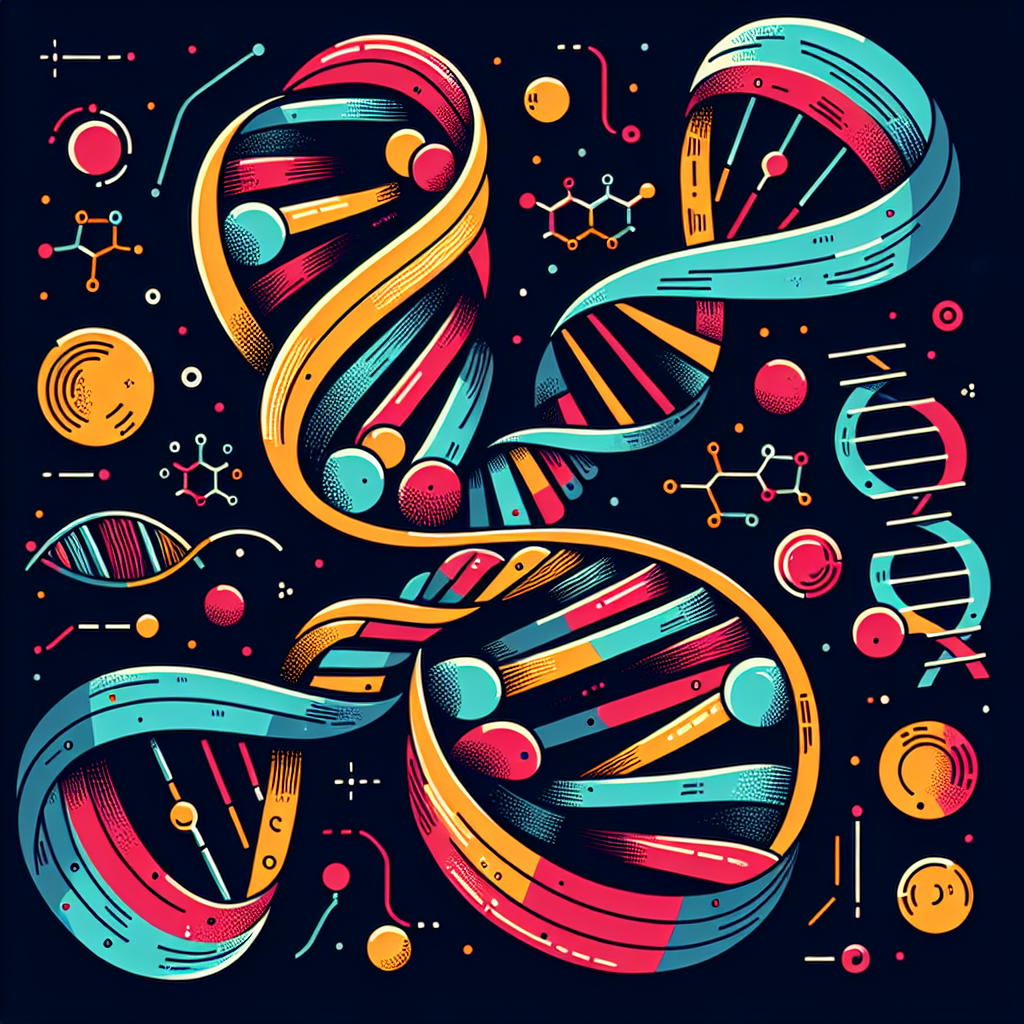
Humans share about 60% of their DNA with bananas.
Genes make up only 1-2% of the human genome, with the rest being non-coding sequences often referred to as 'junk DNA'.
The DNA in a single human cell stretches out to be about 2 meters long if uncoiled, yet it fits into a microscopic nucleus.
Every person has about 3 million genetic variations that make their DNA unique from any other human.
Identical twins share nearly all of their DNA, yet they can have different fingerprints due to environmental factors during development.
The genome of a pufferfish is one of the smallest known vertebrate genomes, yet it contains almost the same number of genes as humans.
Genetic mutations have been one of the driving forces of evolution, helping species adapt over time.
The study of epigenetics reveals that environmental factors, such as diet and stress, can influence gene expression without changing the DNA sequence.
Interesting Facts About the Science of Laughter and Humor
Fact · 8 facts — swipe through each one · Apr 5, 8:27 PM
Laughter can actually boost your immune system by increasing the number of antibody-producing cells.
You are 30 times more likely to laugh if you are with someone else than if you are alone.
Humans are not the only species that can laugh; some primates and even rats show laughter-like vocalizations.
Laughter has been shown to relieve stress by reducing the level of stress hormones in the body.
The study of laughter and its effects on the human body is known as gelotology.
Babies as young as four months old begin to laugh, often before they can even speak.
Laughter can burn around 10-40 calories depending on how long and hard you laugh.
The brain processes humor in a different region than it does for other types of emotional responses.
Interesting Facts About Color and Light
Fact · 9 facts — swipe through each one · Apr 5, 5:08 PM

The human eye can distinguish about 10 million different colors.
Bees can see ultraviolet light, which helps them find nectar in flowers.
White light is a combination of all the colors in the visible spectrum.
Red light has the longest wavelength of all visible colors, which is why it's often used in night vision devices.
The sky appears blue because of Rayleigh scattering, which causes shorter blue wavelengths to scatter more than other colors.
Some animals, like the mantis shrimp, can see polarized light, which is invisible to humans.
A prism can separate white light into its component colors, creating a spectrum similar to a rainbow.
Fireworks get their colors from metal salts, with copper creating blue and strontium producing red.
The famous artist Claude Monet was known to have painted the same scene in different lighting conditions to capture the changing colors.
Surprising Ocean and Marine Life Facts
Fact · 7 facts — swipe through each one · Apr 5, 4:23 PM
The ocean is home to the world's largest waterfall, the Denmark Strait cataract, which flows underwater between Greenland and Iceland.
Octopuses have three hearts and blue blood, which helps them survive in the deep ocean by efficiently transporting oxygen.
A single teaspoon of seawater can contain millions of bacteria and viruses, highlighting the ocean's incredible biodiversity at a microscopic level.
Male seahorses are the ones that get pregnant and give birth, carrying the eggs in a pouch until they hatch.
Some species of jellyfish are immortal, capable of reverting to their juvenile form after reaching adulthood.
The mantis shrimp can punch with the speed of a bullet, generating enough heat to create tiny flashes of light in the water.
The ocean produces more than half of the world's oxygen through the photosynthesis of phytoplankton.
Interesting Facts About Animals and Nature
Fact · 9 facts — swipe through each one · Apr 5, 5:05 AM
Octopuses have three hearts and blue blood.
Bananas are berries, but strawberries are not.
A group of flamingos is called a 'flamboyance'.
Sloths can take up to a month to digest a single leaf.
Sea otters hold hands while sleeping to avoid drifting apart.
A single strand of spider silk is thinner than a human hair, yet five times stronger than steel of the same diameter.
Horses and cows actually sleep standing up.
Wombat feces are cube-shaped, helping them mark their territory without rolling away.
An adult panda can eat 26 to 84 pounds of bamboo every day.
Interesting Facts About Human Body
Fact · 10 facts — swipe through each one · Apr 5, 1:22 AM
The human nose can detect over 1 trillion different scents.
The human skeleton is replaced every 10 years through a process called bone remodeling.
Your brain uses approximately 20% of your body's total oxygen and calorie intake.
The average human produces enough saliva in a lifetime to fill two swimming pools.
Human bones are about 5 times stronger than steel of the same density.
The smallest bone in the human body is the stapes, located in the middle ear, and is only about 0.1 inches long.
About 8% of your body weight is made up of blood.
The human stomach lining is replaced every 3 to 4 days to prevent it from digesting itself.
Humans share 50% of their DNA with bananas.
The human body contains enough fat to make seven bars of soap.
Interesting Facts About Mathematics and Patterns
Fact · 10 facts — swipe through each one · Apr 4, 6:28 PM
The Fibonacci sequence appears in many biological settings, such as the arrangement of leaves on a stem, the branching of trees, and the fruitlets of a pineapple.
A magic square is a grid of numbers where every row, column, and diagonal add up to the same total, and the oldest known example dates back to ancient China.
The number pi (π) is not only irrational but also transcendental, meaning it cannot be the root of any non-zero polynomial equation with rational coefficients.
In a group of just 23 people, there's a more than 50% chance that two people share the same birthday due to the birthday paradox.
Benford's Law states that in many naturally occurring collections of numbers, the leading digit is likely to be small, with the digit 1 appearing about 30% of the time.
Pascal's Triangle is not only a tool for expanding binomials but also displays patterns related to the Fibonacci sequence, prime numbers, and more.
The Mandelbrot Set, a famous fractal, is infinitely complex, and its boundary reveals self-similar patterns no matter how deeply you zoom in.
The sum of the numbers from 1 to 100 can be quickly calculated using the formula n(n + 1)/2, giving a total of 5050.
A circle can be divided into a maximum of 31 regions with only six straight line cuts.
The golden ratio, approximately 1.618, is believed to be aesthetically pleasing and appears in art, architecture, and nature, from the Parthenon to the growth patterns of shells.
Interesting Facts About Psychology and Behavior
Fact · 10 facts — swipe through each one · Apr 4, 3:22 PM
The human brain can process an image seen for just 13 milliseconds.
People are more likely to remember the first and last items in a sequence, a phenomenon known as the serial position effect.
Smiling, even when you are not happy, can trick your brain into feeling happier because of the release of endorphins.
Studies show that people who regularly practice gratitude have fewer physical ailments and sleep better.
The mere exposure effect suggests that people tend to develop a preference for things merely because they are familiar with them.
On average, people spend about 30% of their time daydreaming, which can enhance creativity and problem-solving.
The placebo effect demonstrates that if you believe a treatment will work, your brain can convince your body of its effectiveness.
Phantom vibration syndrome is a psychological phenomenon where people feel their phone vibrating even when it is not.
Research indicates that having plants in a workspace can reduce stress and increase productivity.
Color psychology suggests that the color blue can increase creativity and problem-solving ability.
Interesting Facts About Space and Astronomy
Fact · 10 facts — swipe through each one · Apr 4, 12:32 PM
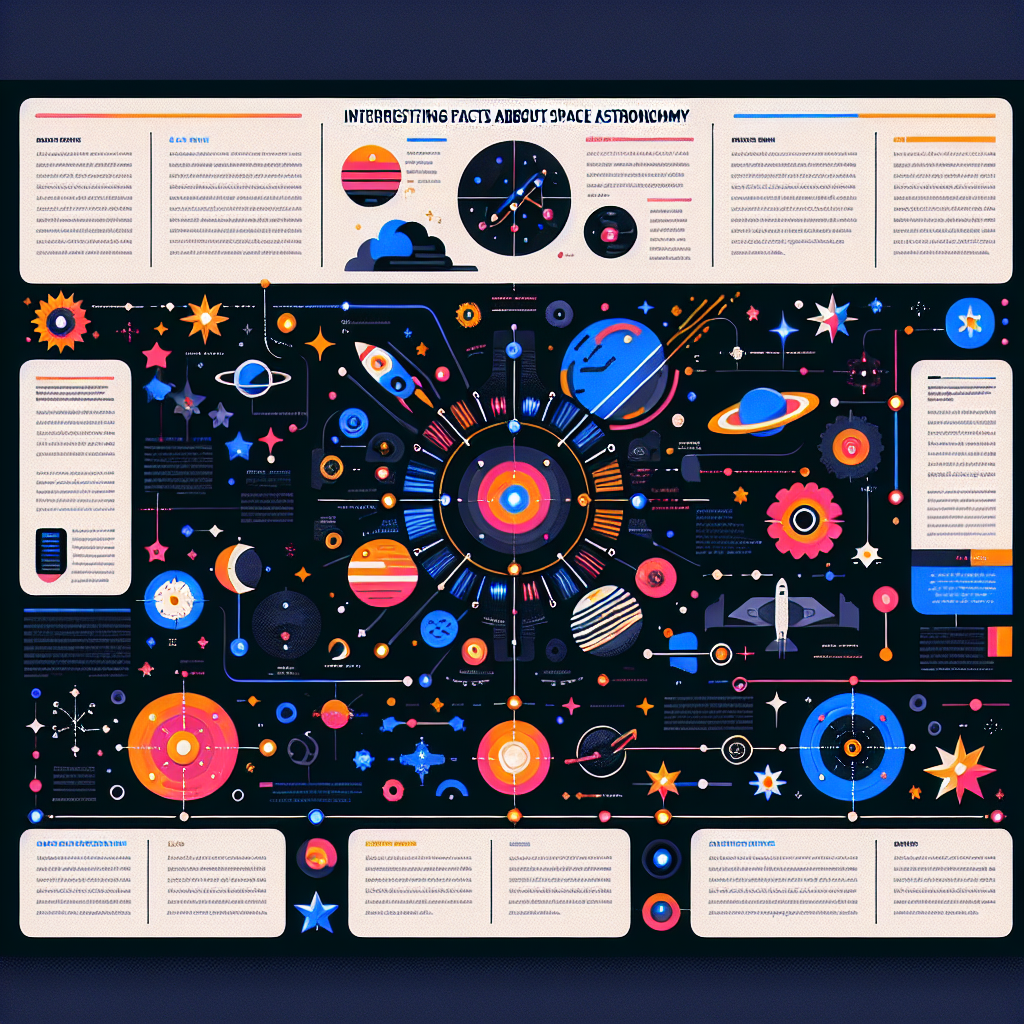
There are more trees on Earth than stars in the Milky Way galaxy, with about 3 trillion trees compared to an estimated 100-400 billion stars.
Venus is the hottest planet in our solar system, with surface temperatures reaching up to 900 degrees Fahrenheit (475 degrees Celsius), even hotter than Mercury.
A day on Venus is longer than a year on Venus because it takes 243 Earth days to rotate once on its axis and only 225 Earth days to orbit the Sun.
Neutron stars are so dense that a sugar-cube-sized amount of their material would weigh about 6 billion tons on Earth.
The largest volcano in the solar system is Olympus Mons on Mars, which is about 13.6 miles (22 kilometers) high, nearly three times the height of Mount Everest.
Jupiter's Great Red Spot is a giant storm that has been raging for at least 350 years and is large enough to fit two or three Earths inside it.
A day on Mercury, from one sunrise to the next, lasts about 176 Earth days due to its slow rotation and fast orbit around the Sun.
Saturn's rings are made mostly of ice particles, ranging from tiny grains to pieces as large as houses.
The Sun accounts for about 99.86% of the total mass of our solar system, with its gravitational pull holding the planets in orbit around it.
In 2019, scientists captured the first-ever image of a black hole, located in the galaxy M87, about 55 million light-years from Earth.
Interesting Facts About Food and Cooking Science
Fact · 9 facts — swipe through each one · Apr 4, 9:29 AM
Honey is the only food that never spoils, making it edible even after thousands of years.
The sense of taste is about 80% dependent on your sense of smell, which is why food tastes bland when you have a cold.
Microwaves heat food by causing water molecules in the food to vibrate, creating heat through friction.
Pineapples contain an enzyme called bromelain which breaks down proteins, making it an effective meat tenderizer.
Carrots were originally purple, not orange, and the orange variety was developed by Dutch growers in the 17th century.
Most wasabi served is actually a mixture of horseradish, mustard, and food coloring, as real wasabi is expensive and difficult to cultivate.
The Maillard reaction, responsible for the browning of food, is a chemical reaction between amino acids and reducing sugars.
Adding salt to water increases its boiling point, but the effect is so small that it doesn't significantly speed up cooking.
The ghost pepper is so hot that it can be used to make non-lethal grenades to immobilize people due to its intense heat.
Interesting Facts About Animals and Nature
Fact · 10 facts — swipe through each one · Apr 4, 4:45 AM
A group of flamingos is called a 'flamboyance'.
Octopuses have three hearts, and their blood is blue due to a copper-rich protein called hemocyanin.
Bananas are berries, but strawberries are not.
Honey never spoils and archaeologists have found pots of honey in ancient Egyptian tombs that are over 3,000 years old and still edible.
Wombat poop is cube-shaped, which prevents it from rolling away and helps them mark their territory.
Sloths can hold their breath underwater for up to 40 minutes by slowing their heart rate.
Unlike most fish, the male seahorse is the one that becomes pregnant and gives birth.
The fingerprints of a koala are so similar to humans that they have been confused at crime scenes.
The Amazon rainforest produces about 20% of the Earth's oxygen.
Some turtles can breathe through their rear ends, a process known as cloacal respiration.
Interesting Facts About the Human Body
Fact · 9 facts — swipe through each one · Apr 3, 10:17 PM
Your nose can remember 50,000 different scents.
The human body contains enough fat to make seven bars of soap.
Human bones are around five times stronger than steel of the same density.
The average person has about 67 different species of bacteria in their belly button.
Each fingertip of yours has about 2,500 touch receptors, making them highly sensitive.
Humans shed about 600,000 particles of skin every hour.
The small intestine is about 22-25 feet long, making it the longest organ in the body.
Your heartbeat syncs with the rhythm of the music you listen to.
The human brain can generate about 23 watts of power, enough to power a small light bulb.
Interesting Facts About Mathematics and Patterns
Fact · 10 facts — swipe through each one · Apr 3, 10:17 PM

The number zero was independently invented in multiple cultures, including by the Mayans and the ancient Indians.
Pi, the ratio of a circle's circumference to its diameter, has been calculated to over 31 trillion digits without repeating.
In mathematics, a palindrome is a number that reads the same forwards and backwards, such as 12321.
The Fibonacci sequence is closely related to the golden ratio, with the ratio of successive Fibonacci numbers approaching the golden ratio as they increase.
Euler's identity, often cited as a beautiful equation, is e^(iπ) + 1 = 0, linking five fundamental mathematical constants.
A magic square is a grid of numbers where the sums of numbers in each row, column, and diagonal are equal, and some have been found dating back thousands of years.
The game of chess has an estimated 10^120 possible moves, more than the number of atoms in the visible universe.
Every odd perfect number, if it exists, is greater than 10^1500, and its existence remains unproven.
The largest known prime number, as of 2021, has over 24 million digits and was discovered using distributed computing.
Fractals are infinitely complex patterns that are self-similar across different scales, often found in nature in forms like snowflakes and coastlines.